Home · What to eat · Carbs and Protein Together, Within Two Hours
What to eat
what to eat after workout
What to eat after a workout depends on when you train and what you're building toward. Pair something starchy with something protein-rich, and eat it before the two-hour window closes.
Eat something that combines a starch with a protein source within two hours of finishing. A chicken and rice bowl, Greek yogurt with granola, or a turkey sandwich all work. Your muscles are restocking what they burned, and they pull from what you give them first.
Best choices
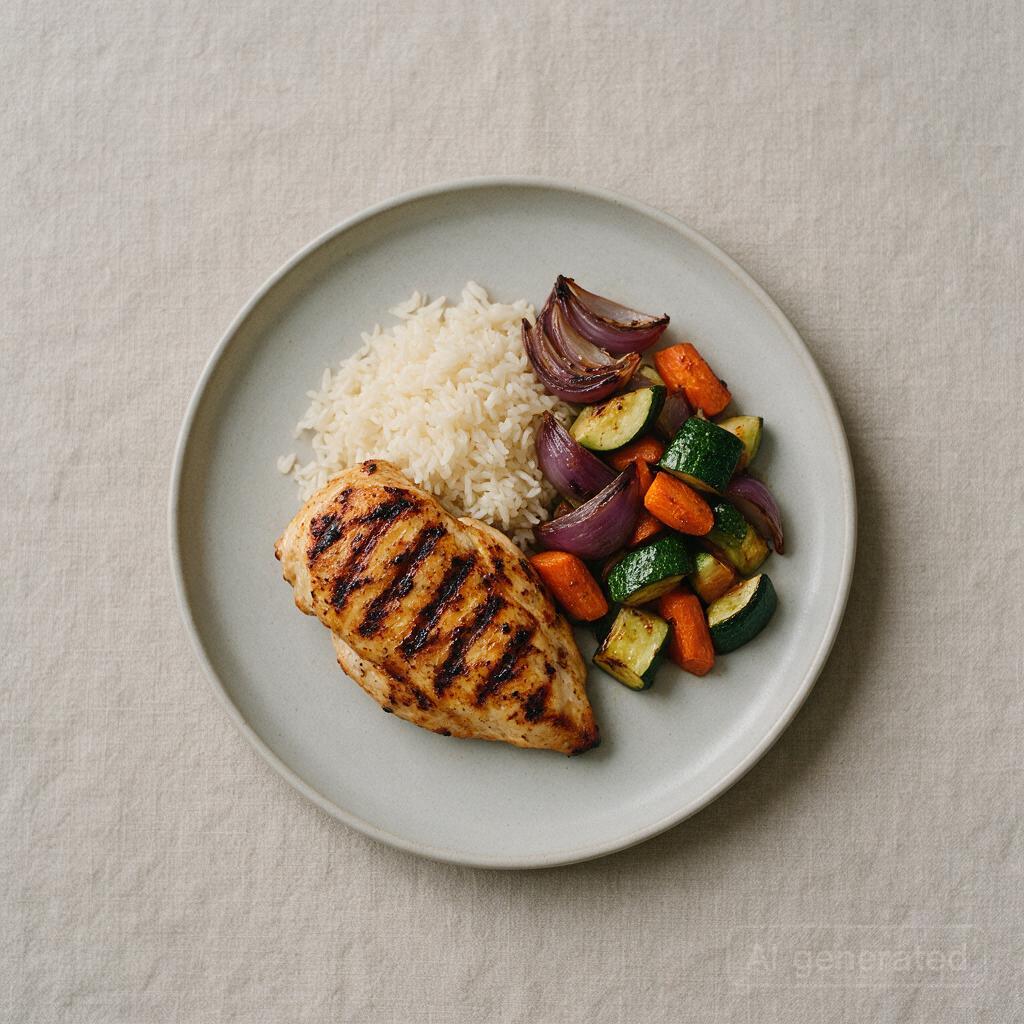 Grilled chicken with rice and roasted vegetablesThe rice refills what your muscles just emptied, and the chicken provides the building blocks they need to repair. The vegetables add volume without weighing you down.
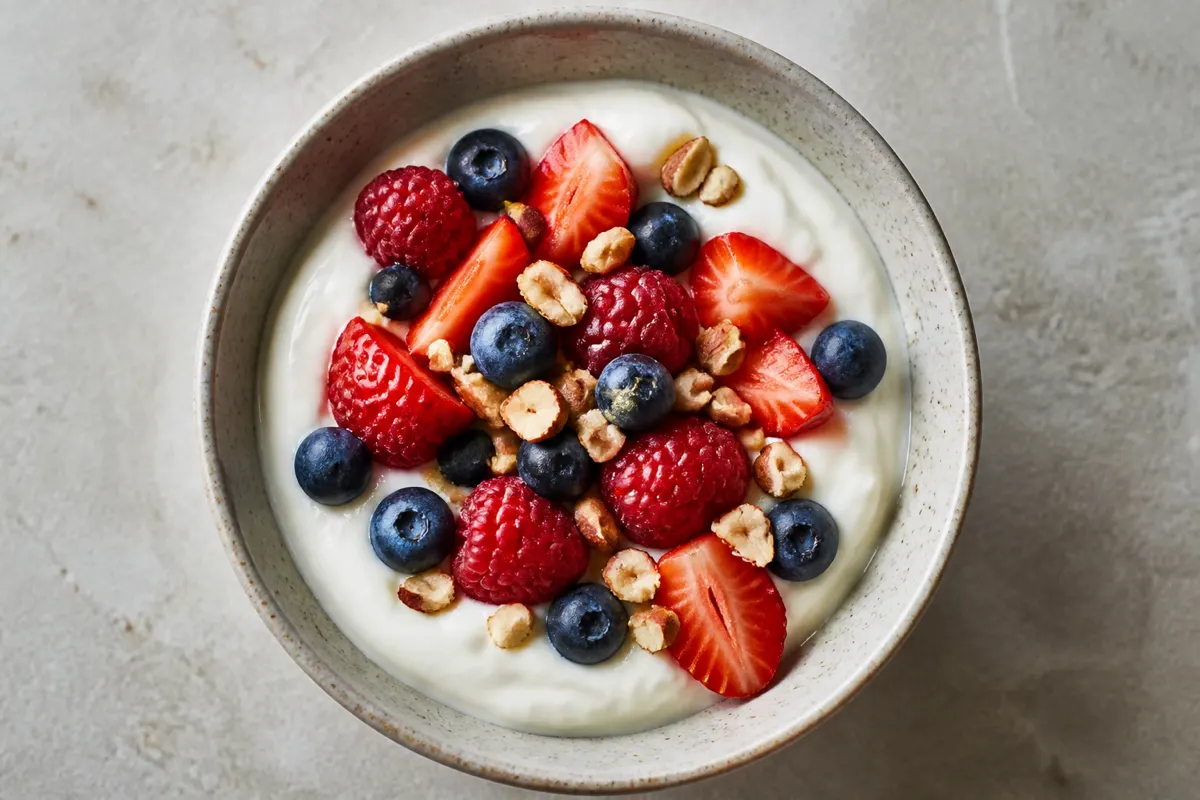 Greek yogurt with granola and berriesThe yogurt brings protein for repair, the granola brings quick-digesting carbs to restock energy, and the berries add flavor and micronutrients without much bulk.
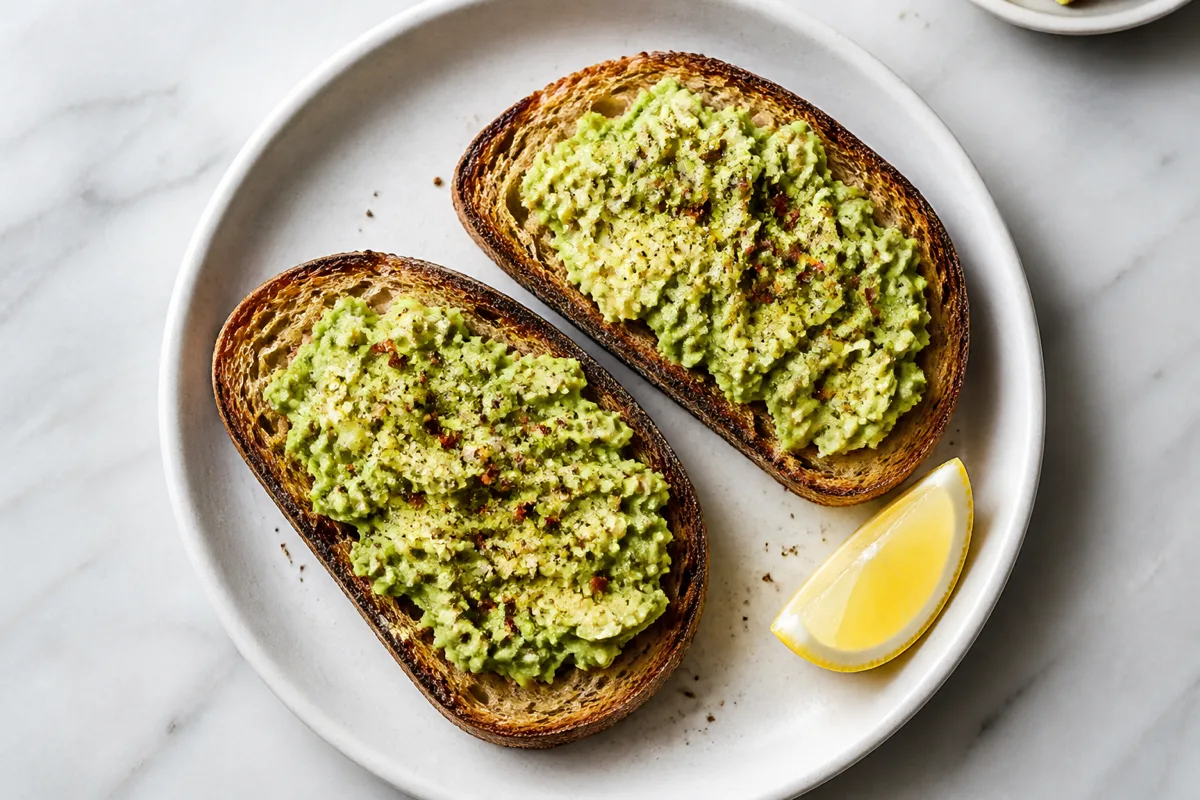 Turkey and avocado sandwich on whole grain breadThe bread and turkey cover both bases—restocking and rebuilding—and the avocado adds richness and helps you absorb nutrients from the vegetables.
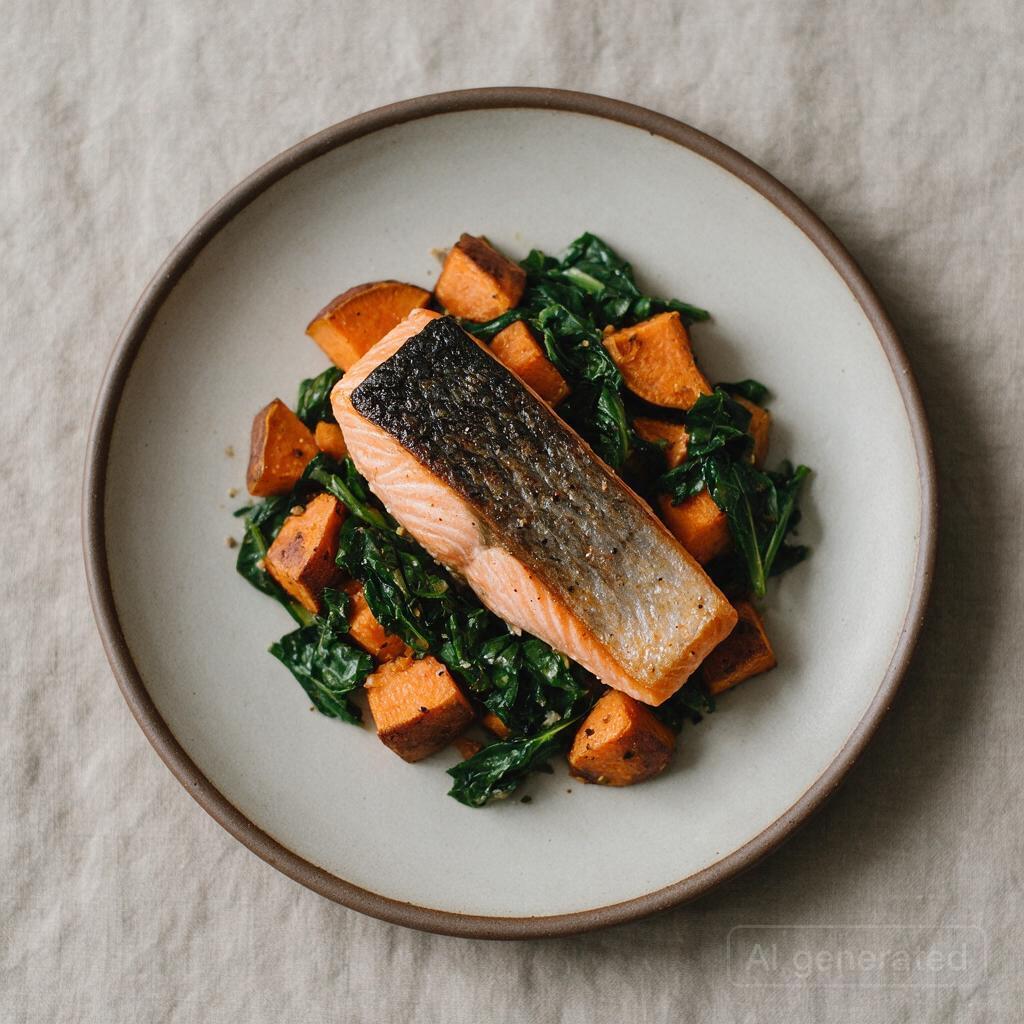 Salmon with sweet potato and greensThe sweet potato is dense with starch your muscles can use immediately, and the salmon provides protein plus fats that support recovery without sitting heavy.
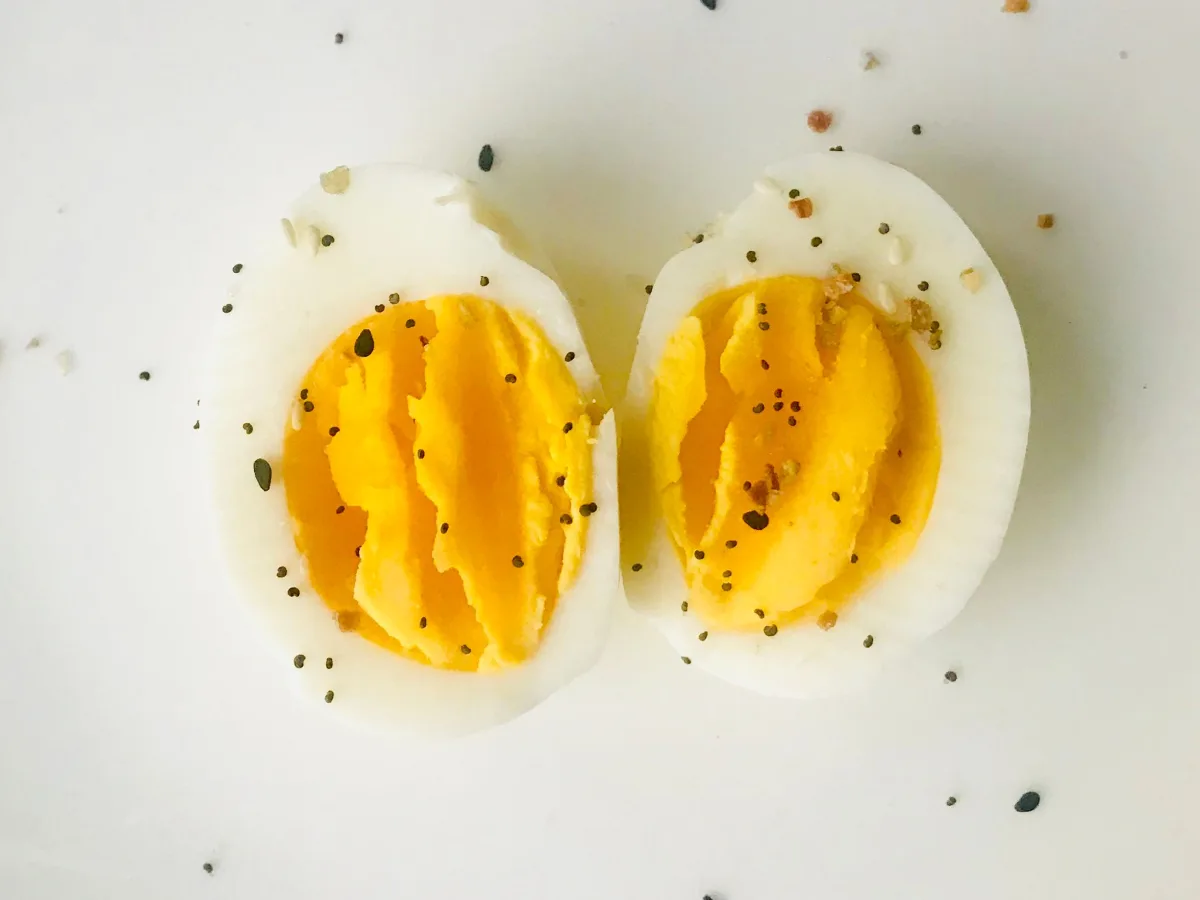 Scrambled eggs with toast and fruitEggs are a complete protein source, the toast provides easily accessible carbs, and the fruit adds natural sugars and hydration.
Watch out for
- Skipping the meal entirely leaves your muscles pulling from themselves instead of from food, which slows recovery and makes the next session harder.
- Eating only protein without any starch means you're rebuilding but not refilling, and you'll feel drained later.
- Waiting more than two hours means the window when your body prioritizes restocking starts to close, and the food gets treated more like a regular meal.
- Going too heavy on fats right after training can slow digestion when your body is primed to move nutrients quickly into muscle.
Depending on the day
You trained hard and feel depleted
Go heavier on the starch portion—double the rice, add a banana, or include a glass of milk. Your stores are lower, and your body will pull from a larger load without storing it.
You did light or moderate work
Keep the portions moderate and balanced. A single serving of each component is enough. Overdoing it after an easy session just adds fuel you didn't actually use.
Also asked
What should I eat after a workout at night?
The same pairing of starch and protein, but consider how it sits before bed. A lighter option like Greek yogurt with granola or a smaller portion of chicken and rice won't leave you feeling overfull when you lie down. Your muscles still need the same things, but your comfort matters if you're eating close to sleep. Avoid anything too heavy or greasy that might keep you awake.
What should I eat after a workout to gain muscle?
Focus on getting enough protein and enough total food. A larger portion of chicken with rice, a bigger sandwich, or adding a second protein source like cottage cheese alongside your meal all help. Building muscle requires surplus—your body needs extra material to work with, not just replacement for what you used. Eating consistently after every session matters more than any single perfect meal.
What should I eat after a workout to lose weight?
Still pair protein with carbs, but keep portions smaller and choose less calorie-dense options. Grilled chicken with vegetables and a moderate portion of rice, or Greek yogurt with berries and a small amount of granola, both support recovery without overshooting your needs. Skipping the meal entirely backfires—you'll be hungrier later and your body won't recover as well, making the next workout harder.
What should I eat after a workout to gain weight?
Eat larger portions and don't shy away from calorie-dense additions. A big bowl of pasta with meat sauce, a large smoothie with nut butter and oats, or salmon with a generous serving of sweet potato all help you build surplus. Add a glass of whole milk or a handful of nuts if you're still under your target. Consistency matters more than any single meal—eat after every session.
What should I eat after a workout in the morning?
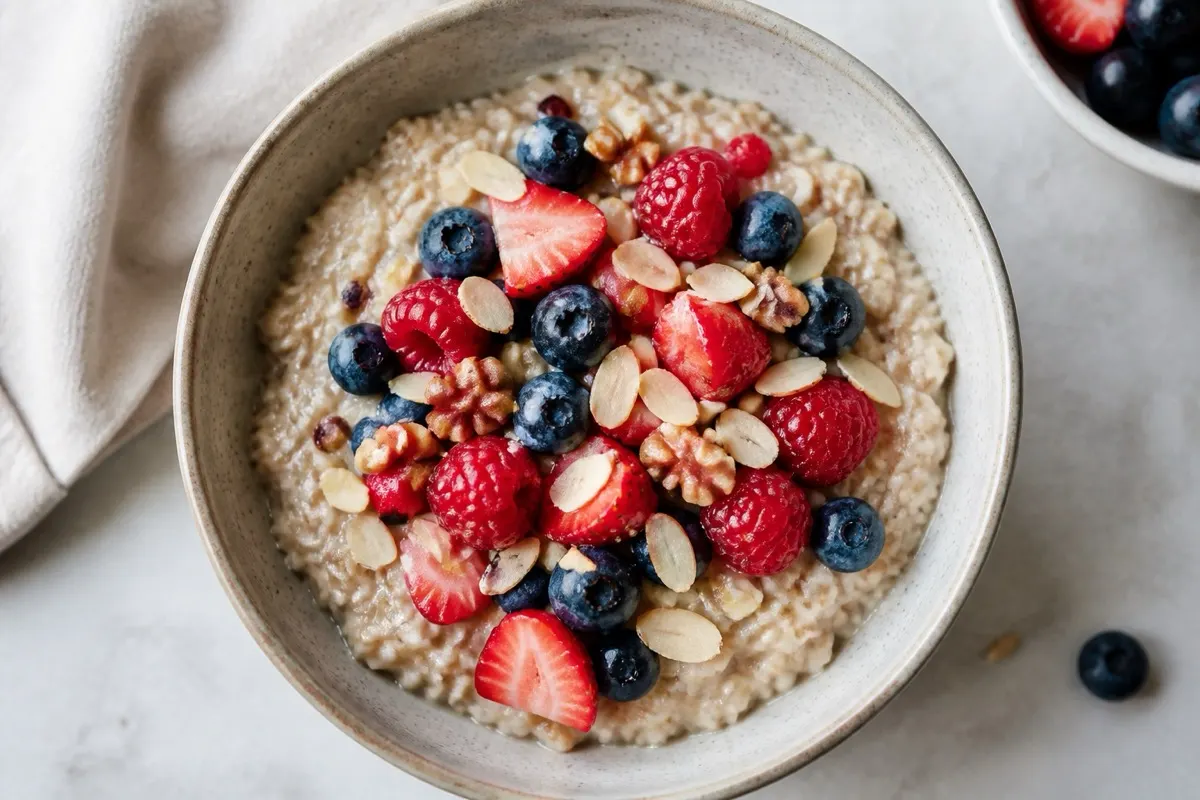
Breakfast foods work perfectly here. Scrambled eggs with toast and fruit, oatmeal with protein powder or Greek yogurt stirred in, or a breakfast burrito with eggs, beans, and salsa all combine what your muscles need with what feels right for the time of day. If you're not hungry immediately, give it thirty minutes, but don't skip it entirely—you're setting up how you'll feel for the rest of the day.
The dishes behind this
Most people either skip eating after training or eat only protein, and both approaches miss how recovery actually works. Your muscles just burned through stored energy and broke down tissue. They need two things: material to rebuild with, and fuel to restock what they emptied. A protein shake alone handles the first but ignores the second. A bowl of plain pasta does the opposite. Your body is primed to shuttle nutrients into muscle for about two hours after you finish, and what you eat during that window gets prioritized differently than a meal eaten four hours later.
The mistake is thinking you need something special or complicated. You don't need a recovery formula or a specific ratio. You need a normal meal that happens to include both a starch and a protein source, eaten soon enough that your body is still in restocking mode. A turkey sandwich does the job. So does chicken and rice, or yogurt with granola. The form matters less than the combination and the timing. If you wait too long, your body starts pulling from itself to do the repairs, which defeats the purpose of training in the first place.
The size of the meal should match the work you did, not some ideal you read about. If you did an hour of heavy lifting, you can handle a bigger plate. If you did twenty minutes of light cardio, a smaller portion makes more sense. Your body doesn't store excess just because you worked out—it uses what it needs and treats the rest like any other meal. The goal is to give your muscles what they're asking for without overshooting by so much that you're just adding fuel you didn't actually burn.
What you're building toward also shapes the choice. If you're trying to add size, you need a surplus, which means bigger portions and possibly a second protein source. If you're trying to lean out, you still need the same combination, just in smaller amounts. Skipping the meal to 'save' the effort you just put in backfires—you'll recover poorly, feel hungrier later, and make the next session harder. The work you did already happened. The food is what lets your body respond to it.
Other decisions like this
Before you sit down
Snap the plate you land on
Snap your meal — one Coach's Call in seconds.
The AI meal coach that remembers what you ate before — not a calorie tracker.
Try this in FastSnap
Get FastSnap