
Home · What to eat · Eat Protein and Vegetables First, Then Add Just Enough Starch to Feel Satisfied
What to eat
what should i eat at dinner for weight loss
Build dinner around a palm-sized piece of protein and as many non-starchy vegetables as you like, then add starch only if you're still hungry.
Start with a portion of protein about the size of your palm—chicken, fish, tofu, or lean beef—and fill half your plate with non-starchy vegetables like broccoli, spinach, peppers, or cauliflower. Add a fist-sized portion of potato, rice, or bread only if you need it to feel full, and cook with just enough fat to make the food taste good without the plate feeling heavy.
Best choices
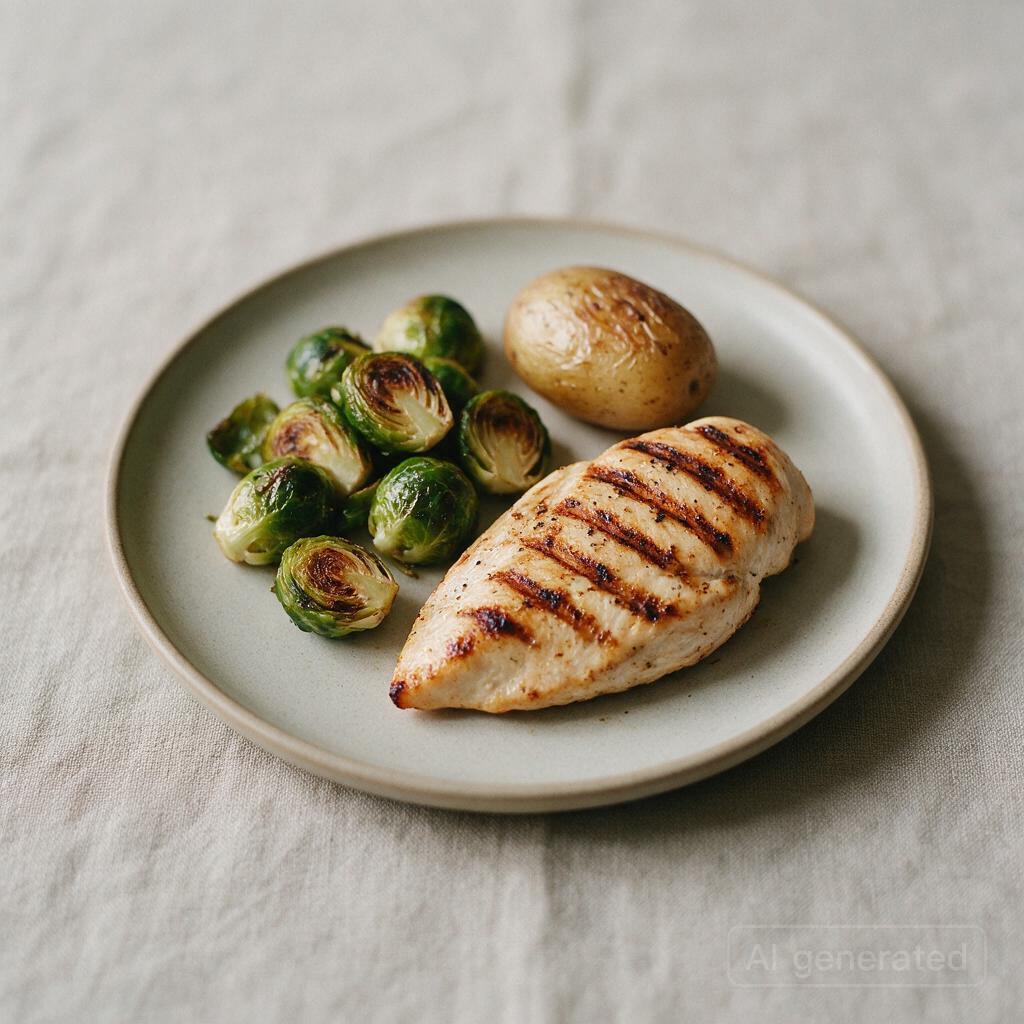 Grilled chicken breast with roasted Brussels sprouts and a small baked potatoThe chicken provides protein that keeps you full for hours, the Brussels sprouts add volume and fiber without much energy density, and the potato gives you enough starch to feel satisfied without overwhelming the plate.
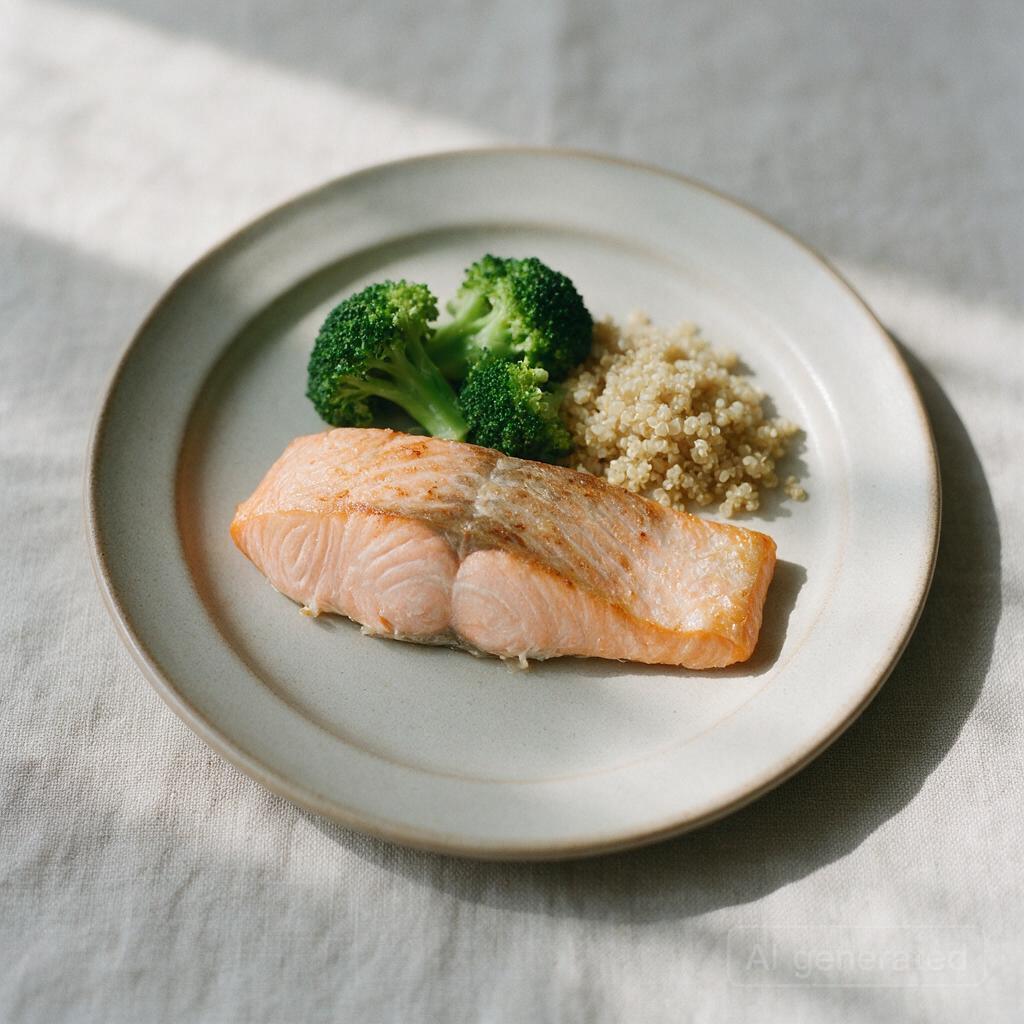 Baked salmon with steamed broccoli and a small portion of quinoaSalmon delivers protein and fats that signal fullness, broccoli fills the plate with minimal energy load, and quinoa adds texture and satisfaction in a smaller volume than most grains.
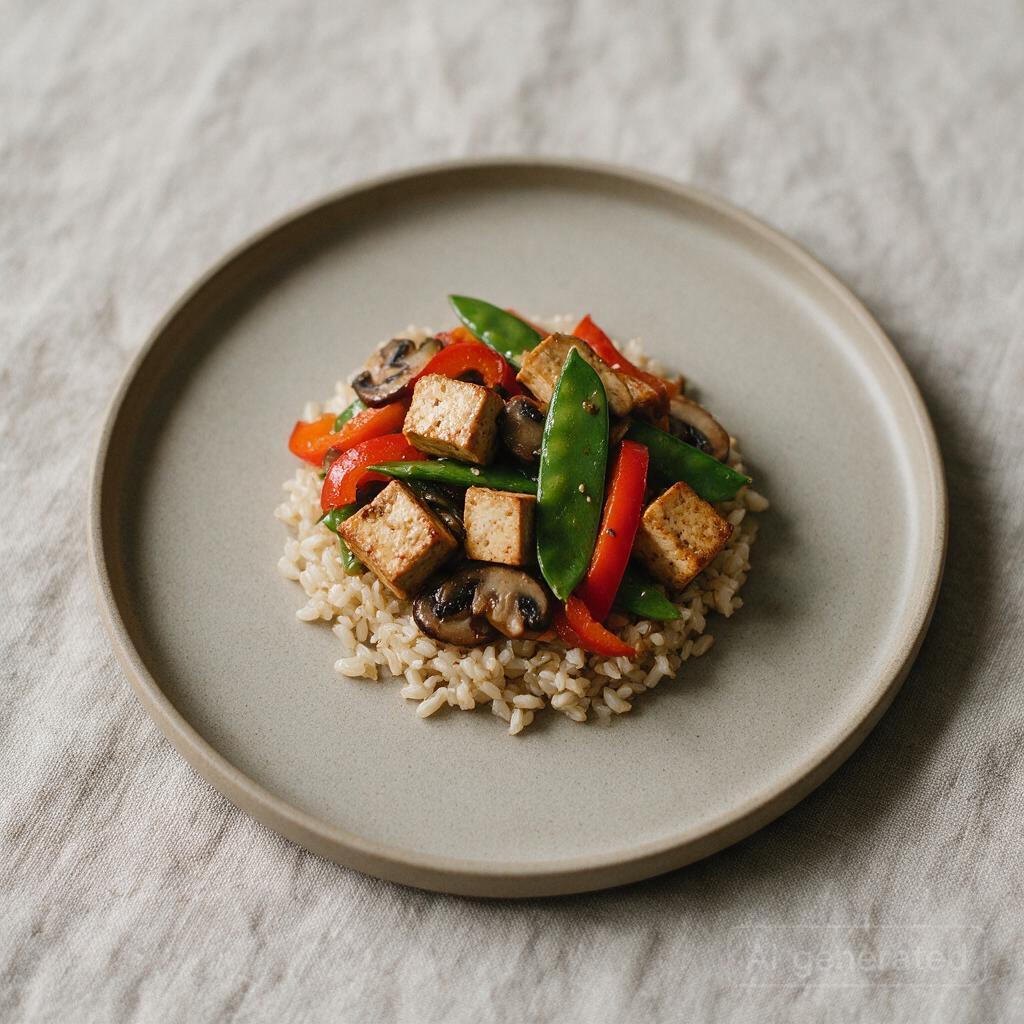 Stir-fried tofu with mixed vegetables over a small bed of brown riceTofu provides plant protein, the mixed vegetables create a large, filling portion, and keeping the rice as a base rather than the main component means the vegetables do most of the work.
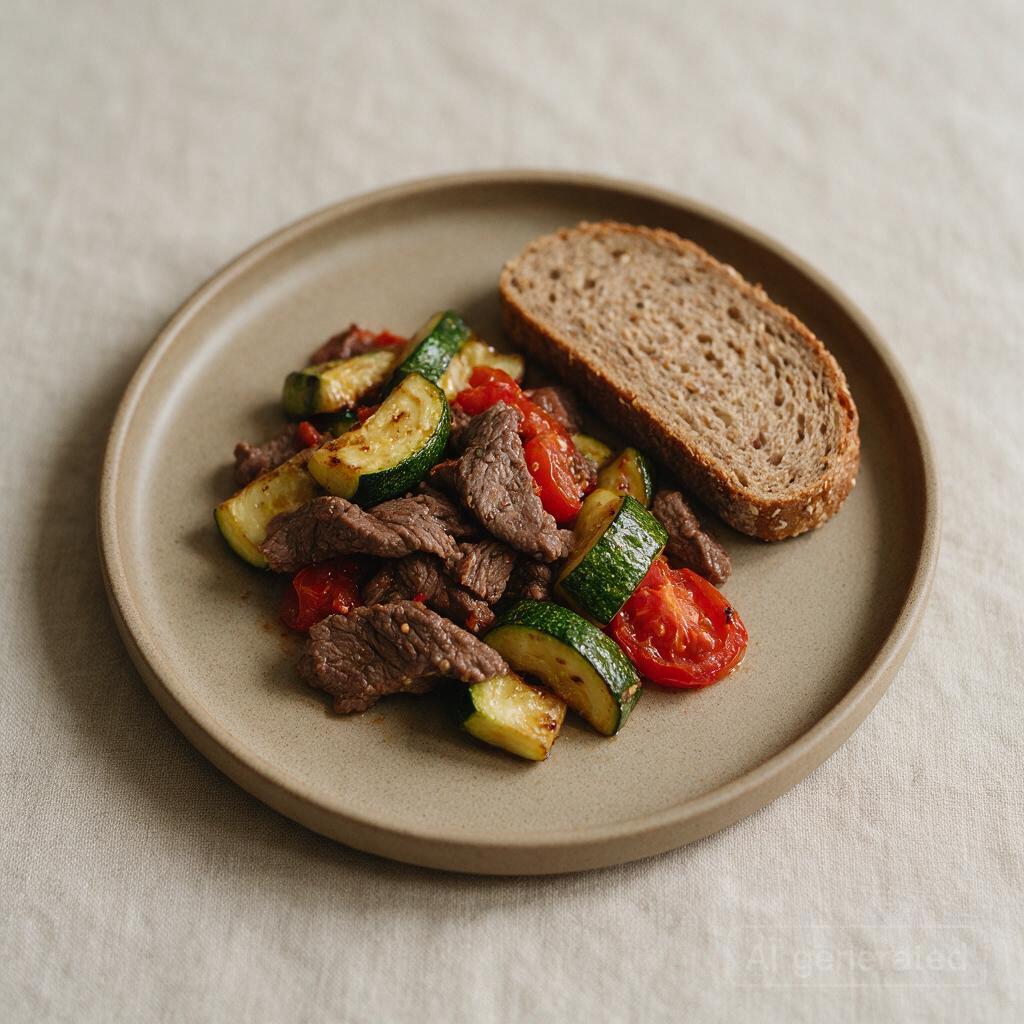 Lean beef with roasted zucchini, bell peppers, and a slice of whole grain breadBeef offers concentrated protein and satisfaction, the roasted vegetables add sweetness and volume, and one slice of bread is enough starch to round out the meal without tipping it.
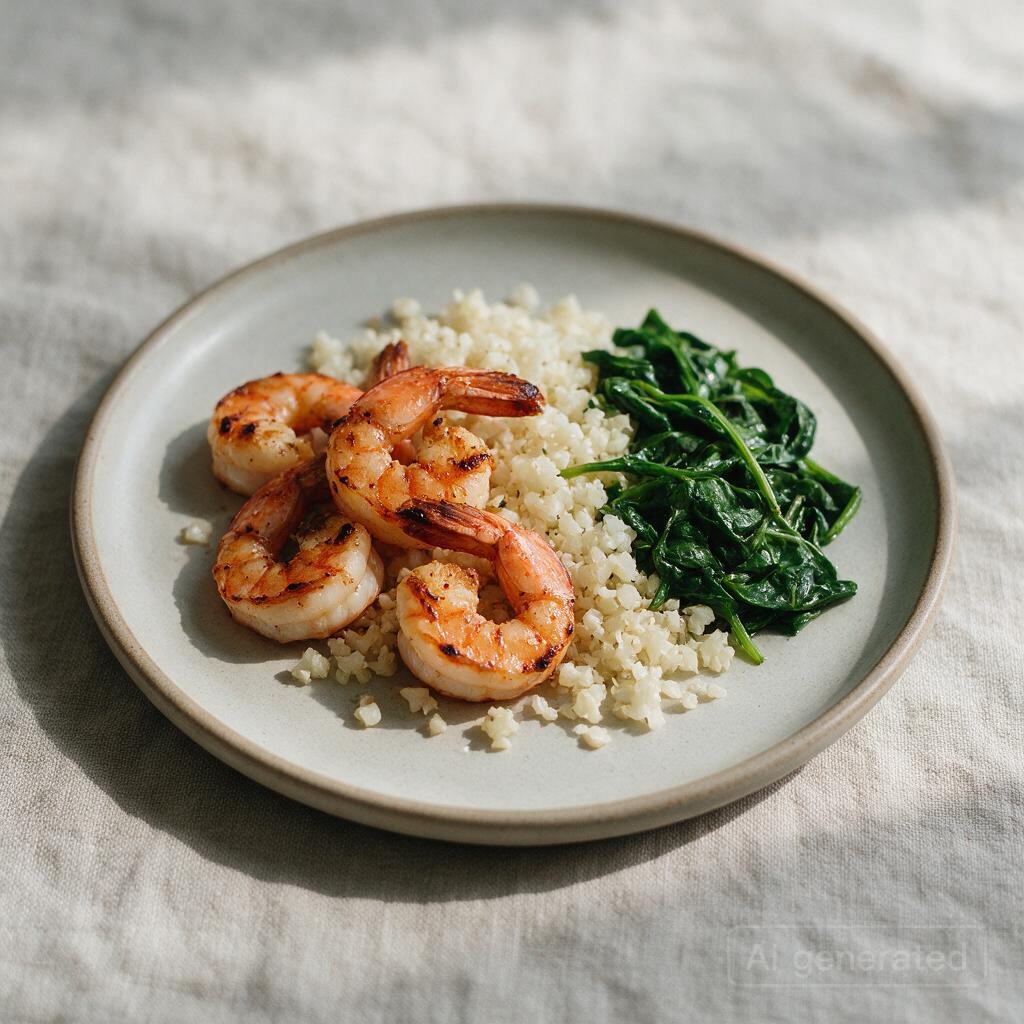 Grilled shrimp with cauliflower rice and sautéed spinachShrimp is nearly pure protein with very little else, cauliflower rice gives you the texture of a grain without the density, and spinach wilts down to nothing but still fills you up.
Watch out for
- Restaurant portions of pasta, rice, or bread often fill the entire plate and push protein and vegetables to the side, which means you're eating mostly starch and will be hungry again soon.
- Creamy sauces, heavy dressings, and dishes swimming in oil can double or triple what the plate is carrying without making you feel any more satisfied.
- Skipping dinner or eating only a salad usually backfires later in the evening when hunger comes back harder and you end up eating whatever is easiest to grab.
- Drinking your energy—soda, juice, sweet tea, or multiple glasses of wine—adds a significant load to the meal without contributing to fullness at all.
Depending on the day
You're eating out and the menu is heavy on pasta, pizza, or sandwiches
Order a protein-forward dish like grilled fish or chicken, ask for double vegetables instead of the standard starch side, and if the meal comes with bread or chips, move them off the table before you start eating. If pasta is your only real option, order a protein-topped version and eat the topping and vegetables first, leaving some of the pasta behind.
You're cooking at home and trying to feed others who aren't focused on weight loss
Make the protein and vegetables the same for everyone, then let others add more starch, cheese, or sauce to their own plates. You can all eat the same meal with different proportions, and no one has to eat separate food or feel like they're on a plan.
Also asked
Will I lose weight if I eat dinner?
Yes, eating dinner does not prevent weight loss—what matters is what the whole day looks like, not whether you eat in the evening. Skipping dinner often leads to late-night snacking or eating more the next day because hunger builds up. A balanced dinner with protein and vegetables keeps you satisfied through the night and makes it easier to stay consistent. The idea that eating after a certain time causes weight gain is not supported by how the body actually works.
The dishes behind this
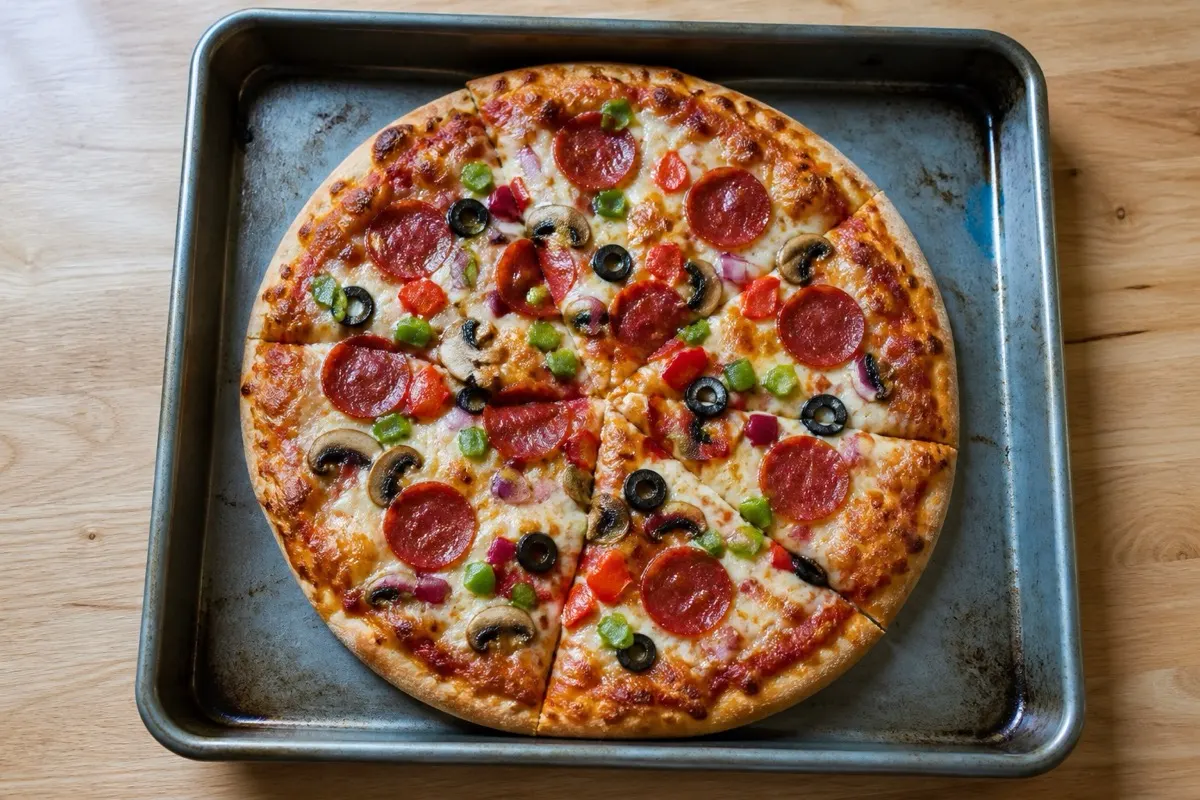
Most people approach dinner for weight loss by trying to eat as little as possible, which is why they end up standing in front of the refrigerator two hours later eating whatever they can find. The problem is not that dinner is too big—it is that it is built around the wrong things. A plate of pasta with a little chicken on top, a sandwich with a side salad, or a stir-fry that is mostly rice with a few vegetables mixed in will leave you hungry because the bulk of what you are eating does not keep you full.
Protein and fiber are what actually signal satisfaction, and most dinners are short on both. When you start with protein and pile on non-starchy vegetables, you create a large, filling plate that does not carry much. The vegetables give you volume and chewing and flavor, and the protein keeps you from thinking about food again an hour later. Starch is not the enemy, but it also does not fill you up in proportion to what it adds to the plate, so it should be the smallest part of the meal, not the foundation.
The other mistake is trying to eliminate all fat, which makes food taste like punishment and leaves you unsatisfied even when your stomach is full. A little butter on the vegetables, olive oil in the pan, or a piece of salmon instead of chicken breast makes the meal something you actually want to eat, and that matters more than saving a small amount of energy by boiling everything. The goal is a dinner you can eat every night without feeling like you are on a diet, because that is the only way this works past the first two weeks.
Restaurants make this harder because they build plates around starch and add fat everywhere to make things taste good, which means you are getting both the density of oil and the volume of pasta or rice. When you are cooking at home, you control both, and that is the biggest advantage you have. You can make a plate that is just as satisfying, tastes just as good, and does not leave you feeling heavy or hungry later.
Other decisions like this
Check it against your goal
Snap the plate in front of you
Snap your meal — one Coach's Call in seconds.
The AI meal coach that remembers what you ate before — not a calorie tracker.
Try this in FastSnap
Get FastSnap