
Home · What to eat · Chewy Dumplings, Sweet Rice Cakes, and Crispy Coatings — What Glutinous Rice Flour Actually Does
What to eat
what can i make with glutinous rice flour
Glutinous rice flour makes chewy mochi, tangy dumplings, crispy coatings for fried food, and sweet rice cakes. It holds together without gluten and stays soft when cold.
Glutinous rice flour makes chewy dumplings like tang yuan, soft mochi and daifuku, crispy coatings for fried chicken or vegetables, and sweet rice cakes like bibingka or nian gao. It creates a stretchy, sticky texture that regular rice flour and wheat flour cannot match, and it stays tender even after cooling.
Best choices
- 1Tang yuan — sweet filled dumplings in ginger syrupThe flour's stickiness holds the dough together without any binder, and the chew stays soft in hot liquid. Black sesame, peanut, or red bean paste inside, served in ginger-sugar water.
- 2Mochi or daifuku — pounded rice cakesSteaming the flour with water creates the signature stretchy, bouncy texture. Wrap around ice cream, sweet bean paste, or fresh fruit. The chew is what you're after here.
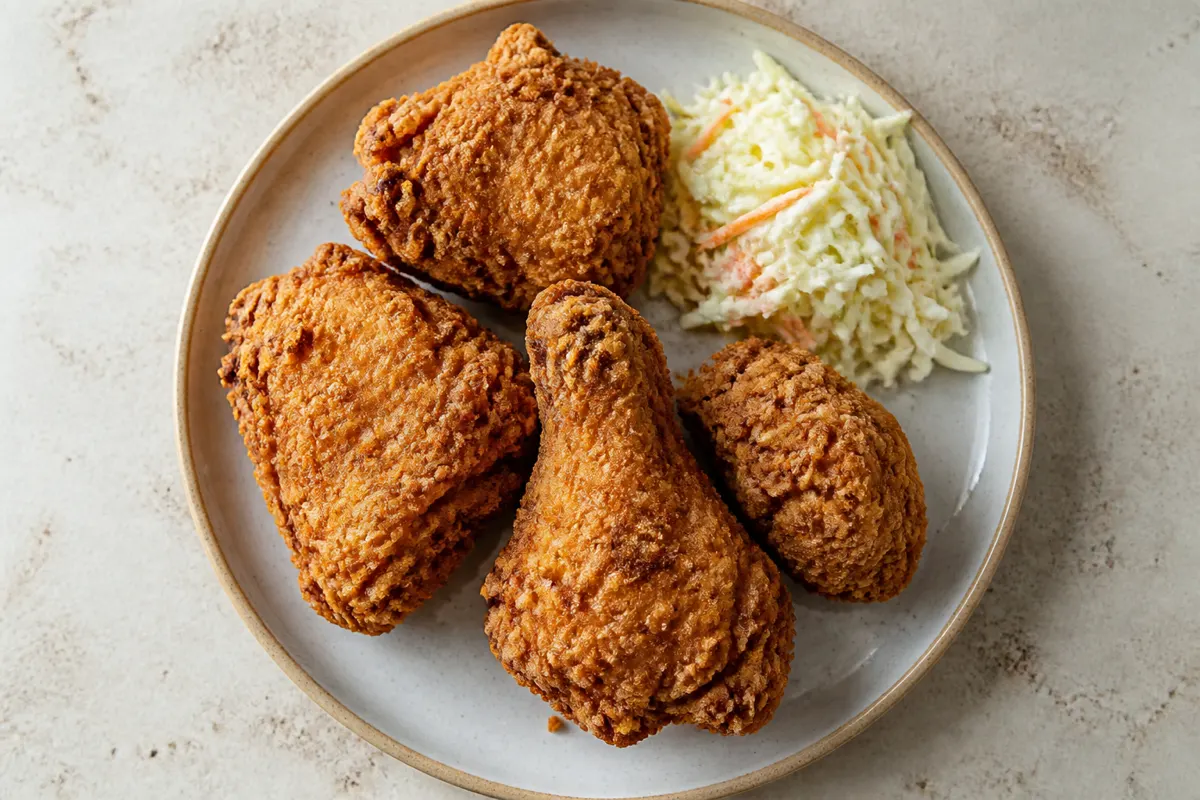 Korean fried chicken coating or Japanese karaage dredgeMixed with regular flour or cornstarch, it fries up shatteringly crisp and stays crisp longer than wheat flour alone. The starch structure crisps differently.
- 4Bibingka or biko — Filipino coconut rice cakesBaked or steamed with coconut milk, the flour sets into a dense, sweet cake that's creamy inside. The texture is custardy-chewy, nothing like regular cake.
- 5Nian gao — Chinese New Year cakeSteamed with sugar into a dense, sliceable block that you can pan-fry later. The exterior caramelizes while the inside stays gummy and sweet.
Watch out for
- Glutinous rice flour is not interchangeable with regular rice flour — regular rice flour makes sandy, crumbly textures while glutinous makes sticky, chewy ones
- The dough will be much stickier than wheat dough — wet your hands when shaping, and expect it to cling to everything until it's cooked
- It contains no gluten despite the name — the 'glutinous' refers only to the sticky texture, so it works for gluten-free cooking
- Dough made from this flour doesn't rise or puff — you're building chew and density, not airiness
Depending on the day
You want something quick and don't want to steam or fry
Make a simple three-ingredient mochi in the microwave: mix the flour with sugar and water, microwave in short bursts, then stir until it turns translucent and stretchy. Dust with more flour or cornstarch, cut into pieces, and fill or coat as you like. It takes minutes.
You're cooking for someone avoiding gluten
Use it as a binder in meatballs, fritters, or veggie patties where you'd normally use breadcrumbs or wheat flour. It holds moisture and creates tenderness without any gluten, and it doesn't dry out the way some gluten-free flours do.
Also asked
What's an easy recipe with glutinous rice flour?
Tang yuan are the easiest: mix the flour with warm water until it forms a soft dough, roll into balls, and boil until they float. Serve in ginger syrup or peanut soup. No filling needed for a first attempt. The dough comes together in minutes and you'll know it's done when the dumplings bob to the surface.
What sweet things can I make with glutinous rice flour?
Mochi, daifuku filled with red bean paste, sesame balls fried and coated in sugar, coconut pandan cake, or Filipino palitaw — flat dumplings boiled and rolled in coconut and sugar. The flour's natural mild sweetness works with sugar, coconut milk, and fruit. Most traditional sweets across Asia use this flour because the chew is part of the pleasure.
Why do recipes with glutinous rice flour turn out sticky?
The flour has a different starch structure than regular rice or wheat — it's almost entirely amylopectin, which gelatinizes into a sticky, stretchy gel when you add water and heat. That stickiness is the point. If your dough is unmanageably sticky, dust your hands and surface with more glutinous rice flour or cornstarch, and work quickly.
What desserts use glutinous rice flour?
Mochi and daifuku, sesame balls, coconut rice cakes like bibingka or biko, Korean chapssaltteok, Chinese nian gao, and Japanese dango. The flour shows up in chewy, dense sweets across East and Southeast Asia. If a dessert is described as chewy, bouncy, or QQ in texture, it likely contains this flour.
Can I use glutinous rice flour for regular recipes?
Not as a direct swap for wheat or regular rice flour — it behaves completely differently. It won't make bread rise or cookies crisp in the usual way. But you can add small amounts to batters for extra chew, use it in gluten-free baking blends for binding, or mix it into frying coatings for crispness. It's a specialty ingredient with a specific job.
The dishes behind this
Most people expect glutinous rice flour to behave like regular flour, and then wonder why their dough is a sticky mess or why the texture is so aggressively chewy. The confusion starts with the name: there is no gluten here. The 'glutinous' refers only to the way the cooked flour clings to itself, stretchy and dense. This flour is ground from short-grain sticky rice, and it gelatinizes into a texture that wheat and regular rice cannot produce. If you've ever had mochi, tang yuan, or really good Korean fried chicken, you've eaten this flour doing what it does best.
The flour works because of its starch composition. It's almost pure amylopectin, which swells and turns gummy when heated with water, creating that signature chew. Regular rice flour, by contrast, has more amylose and stays grainy or sandy. You cannot swap one for the other and expect the same result. When a recipe calls for glutinous rice flour, it's calling for that specific sticky, bouncy texture. The dough will cling to your hands and the counter — this is normal. Wet your hands, dust everything with starch, and move quickly.
In savory cooking, the flour shows up in dumpling wrappers, as a binder in fish or meat pastes, and increasingly in fried coatings where it creates a shattering crispness that lasts. Mixed with wheat flour or cornstarch, it changes the way the crust sets, holding onto crunch even as the food cools. In sweets, it's the backbone of chewy cakes and dumplings across Asia, usually paired with coconut milk, sugar, and fruit. The texture is part of the appeal — you're not aiming for light or fluffy, you're building chew.
The flour is also forgiving in ways wheat flour is not. You can't overmix it into toughness because there's no gluten to develop. It stays soft even after cooling, which is why mochi doesn't turn hard the way bread does. It holds moisture, so cakes and dumplings made from it stay tender for days. If you're gluten-free, this flour is worth keeping around not as a wheat substitute but as its own thing — a way to add chew, binding, and tenderness where other gluten-free flours fall short.
Other decisions like this
Once it is on the plate
Snap what you cooked
Snap your meal — one Coach's Call in seconds.
The AI meal coach that remembers what you ate before — not a calorie tracker.
Try this in FastSnap
Get FastSnap