
Home · What to eat · Mascarpone Works in Pasta, Scrambled Eggs, and Fruit Bowls — Not Just Tiramisu
What to eat
what can i make with mascarpone cheese
Mascarpone thickens sauces, softens scrambled eggs, and carries fruit without added sugar. Use it where you want richness without the tang of sour cream.
Mascarpone stirs into hot pasta to make an instant cream sauce, folds into scrambled eggs for a softer finish, or tops fresh berries and stone fruit as a simple bowl. It carries fat and moisture without the sharpness of cream cheese or yogurt, so it works anywhere you want richness that stays in the background.
Best choices
- 1Stir into hot pasta with peas, lemon zest, and black pepperThe mascarpone melts into a coating sauce without needing cream or butter, and the fat carries the lemon and pepper across every bite
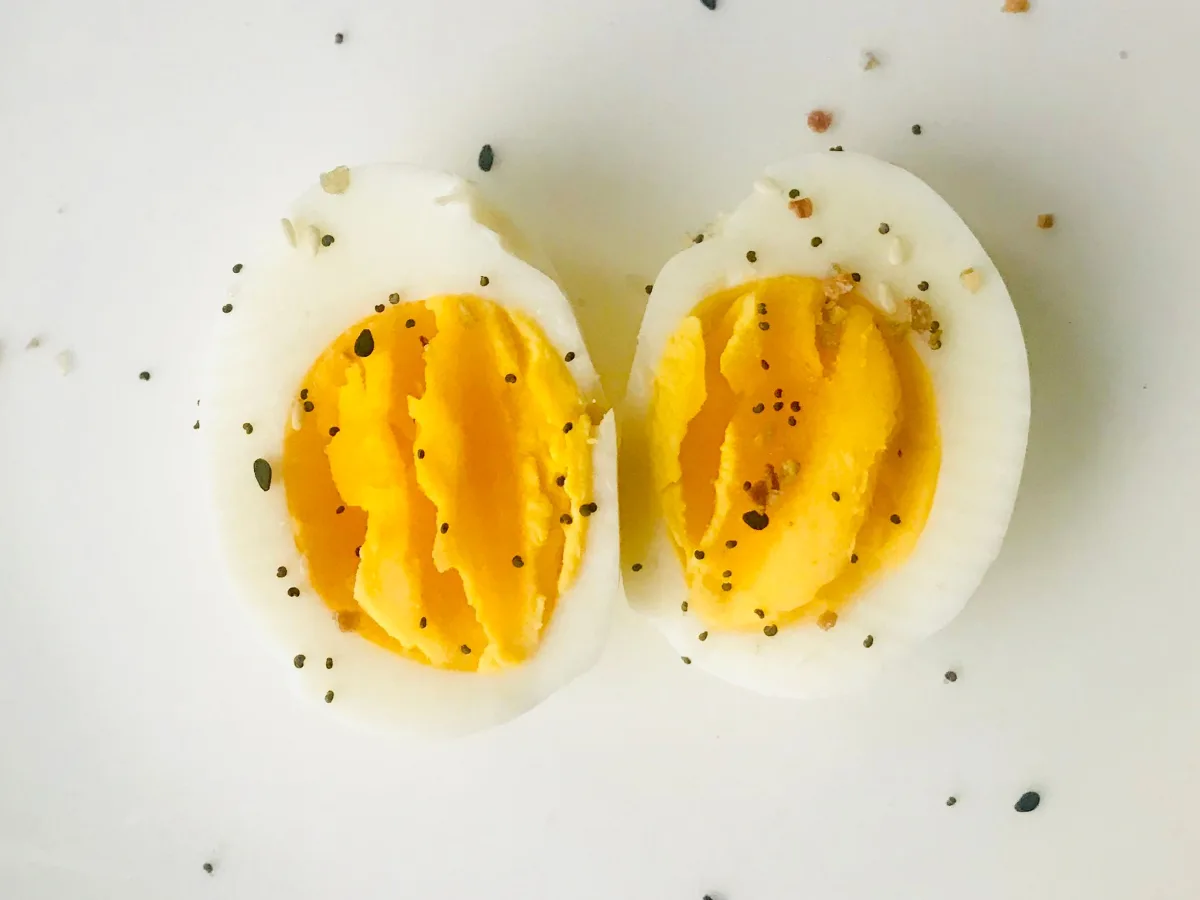 Fold into scrambled eggs at the end of cookingIt adds moisture and richness without making the eggs watery the way milk does, and keeps them soft as they cool
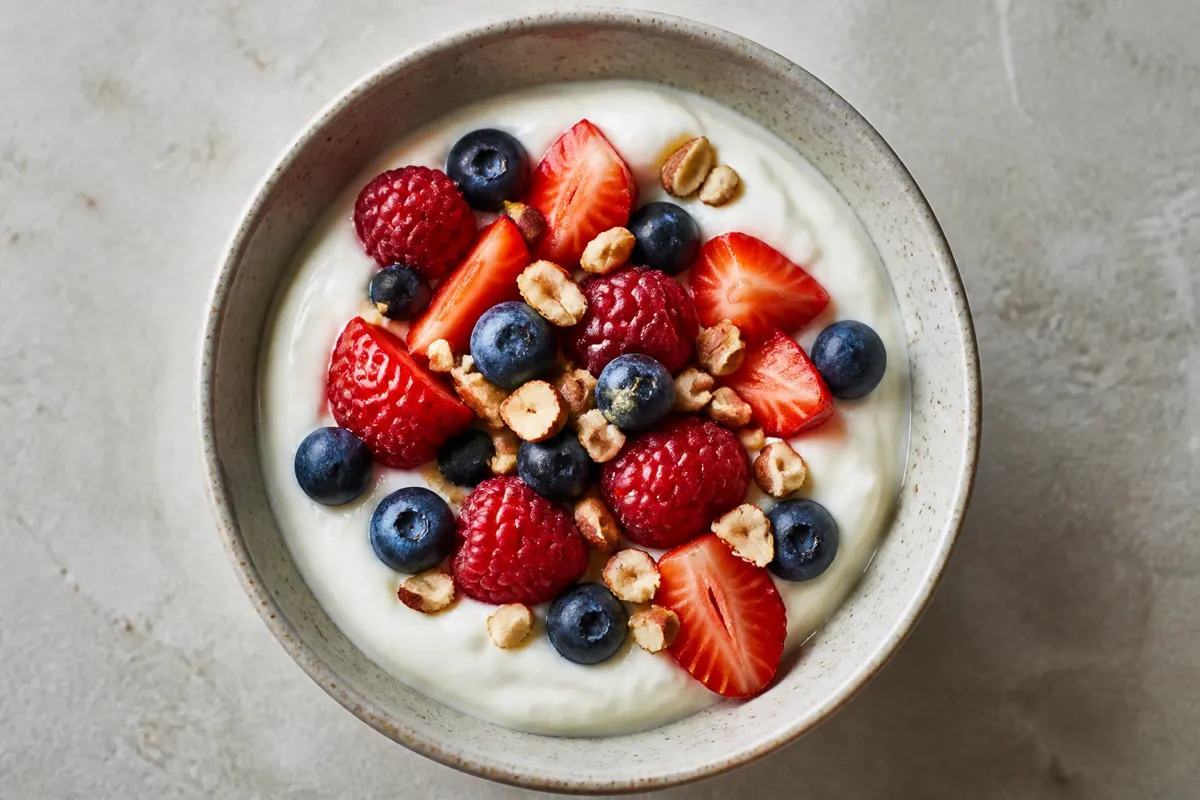
- 3Spoon over sliced strawberries, peaches, or figs with a drizzle of honeyThe mild flavor lets the fruit lead, and the fat makes the bowl feel complete without needing granola or cake underneath
- 4Whisk into mashed potatoes or polentaIt brings the same richness as butter and cream combined, and the smooth texture disappears into the mash
- 5Spread on toast with jam or smashed raspberriesIt holds up under wet toppings better than butter, and the neutral flavor works with both sweet and savory
Watch out for
- Mascarpone splits if you boil it hard, so add it to pasta or risotto after you pull the pan off the heat
- It does not whip up stiff like heavy cream — it stays soft and spoonable, so do not expect peaks
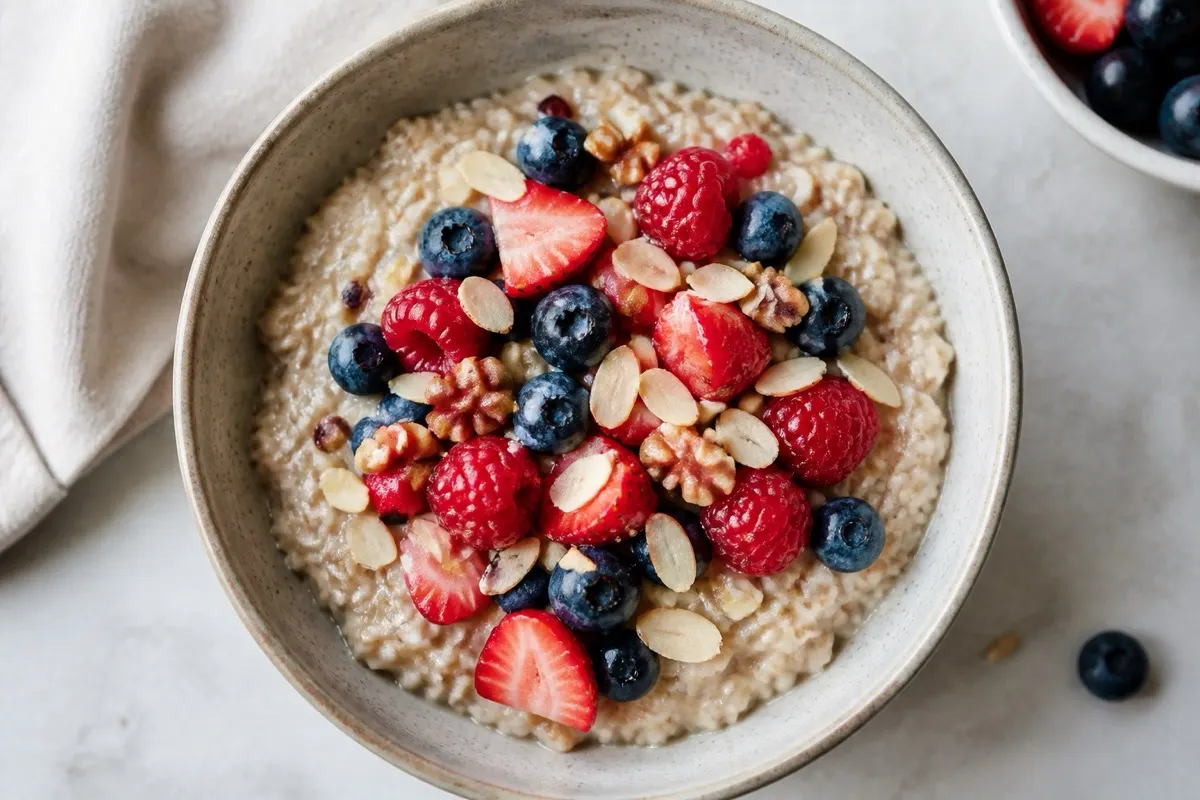
- The container usually holds more than a recipe calls for, but it keeps for a week and works stirred into morning oatmeal or coffee
Depending on the day
You want something that feels like a finish to a meal but takes no real cooking
Spoon mascarpone over any fruit you have, add a handful of toasted nuts or a drizzle of maple syrup, and call it done. The richness makes it feel intentional, and the fruit keeps it from sitting heavy.
You are cooking for someone who does not do well with sharp or acidic flavors
Mascarpone is your swap for sour cream, Greek yogurt, or cream cheese in nearly any dish. It brings the same body and richness but none of the tang, so it works in both directions — savory pastas and sweet bowls.
Also asked
What desserts can I make with mascarpone?
Tiramisu is the standard, but mascarpone also layers into no-bake cheesecake, folds into whipped cream for topping cakes or pies, or goes straight onto pound cake with berries. It carries cocoa powder, vanilla, and citrus zest without fighting them. If you want something faster, whisk it with a spoonful of honey and serve it as a dip for biscotti or graham crackers.
Are there lighter ways to use mascarpone?
Mascarpone is rich, but you control the portion. Use it as a topping rather than a base — a dollop on soup, a spoonful on roasted vegetables, or a thin spread on toast. Mixing it half-and-half with Greek yogurt or ricotta stretches it and cuts the richness while keeping the smooth texture. It also works stirred into a broth-based pasta rather than a cream sauce, where a few spoonfuls thicken the liquid without making the dish heavy.
What are the easiest things to make with mascarpone?
The easiest use is no cooking at all: mascarpone straight onto fruit, stirred into coffee, or spread on bread. If you are cooking, the next easiest is stirring it into something already hot — pasta, risotto, mashed potatoes, or scrambled eggs. It melts in and thickens whatever it touches, so you are not building a recipe, just finishing one.
Can I use mascarpone instead of cream in recipes?
Mascarpone replaces heavy cream in most sauces and soups, but it behaves differently. It thickens more and does not pour, so you will use less and may need to thin it with pasta water or broth. It also does not whip into peaks the way cream does, so it will not work in recipes that depend on whipped volume. For stirring into hot dishes or folding into batters, it works as a direct swap and often makes the result richer.
What mascarpone recipes are out there?
Mascarpone shows up in Italian cooking — tiramisu, pasta sauces, risotto — but it works in American baking too, folded into cheesecake, frosting, or pancake batter. It also goes into savory tarts, stuffed chicken, and mashed root vegetables. The real flexibility is that it does not need a recipe: it finishes dishes that are already on their way, adding richness and body wherever you would otherwise reach for butter, cream cheese, or sour cream.
The dishes behind this
Most people buy mascarpone for tiramisu and then wonder what to do with the rest of the tub. The assumption is that it belongs in sweets, but mascarpone is just very high-fat, low-acid cheese, and it behaves more like soft butter than like yogurt or sour cream. That means it works in savory cooking as much as it does in dessert, and it often works better because it does not add any competing flavor — just richness and body.
The real advantage of mascarpone is that it thickens and enriches without needing a recipe. You can stir it into anything hot and it will melt into a sauce. You can spoon it onto anything cold and it will sit there like a soft, neutral topping. It does not curdle the way cream sometimes does, and it does not water out the way ricotta can. The texture stays smooth and thick, so a little goes a long way. That makes it useful when you want a dish to feel more complete but you do not want to add steps or ingredients.
The other thing mascarpone does well is stay in the background. Cream cheese has a tang, sour cream has sharpness, and Greek yogurt can taste almost sour. Mascarpone has none of that. It is just fat and milk, so it carries other flavors without adding its own. That makes it the right call when you want richness but you do not want the dish to taste like dairy. It works under fruit, folded into eggs, stirred into pasta, or spread on toast, and in every case it makes the dish feel more substantial without changing what it tastes like.
If you are trying to use up a container, think of mascarpone as a finishing ingredient, not a centerpiece. Add it at the end of cooking, not the beginning. Use it in spoonfuls, not cups. It does not need a supporting cast — it just needs something to sit on or stir into. That is what makes it easy to use, and why it works in so many directions once you stop thinking of it as a dessert ingredient.
Other decisions like this
Once it is on the plate
Snap what you cooked
Snap your meal — one Coach's Call in seconds.
The AI meal coach that remembers what you ate before — not a calorie tracker.
Try this in FastSnap
Get FastSnap