
Home · What to eat · Turn Pork Belly Into Crispy Bites, Slow Braises, or Rich Pasta
What to eat
what can i make with pork belly
Pork belly becomes crackling-topped roasts, tender braised chunks, crispy burnt ends, or silky pasta additions. Here's what to make with the cut and why each method works.
Pork belly works best slow-roasted for crackling skin, braised in liquid until it falls apart, or cut into chunks and crisped in the oven. The thick fat layer turns into flavor and texture when you give it time and heat, making it ideal for dishes that need richness or a crispy-tender contrast.
Best choices
 Slow-roasted with scored skin for cracklingThe long roast renders the fat layer while the scored skin dries out and puffs into crisp shards, giving you tender meat with a shattering top
 Braised in soy sauce, ginger, and rice wine until wobblyThe braising liquid breaks down the connective tissue over hours while the fat bastes the meat from inside, creating pieces that hold their shape but melt when you bite them
 Cut into cubes, roasted until crisp, then tossed in sauce for burnt endsSmall pieces expose more surface area to heat, so the fat renders out and the edges caramelize while the center stays tender
 Diced and crisped as a pasta addition with bitter greensThe rendered fat coats the pasta and the crispy bits add texture, while bitter greens cut through the richness
 Sliced thin and pan-fried until the fat is goldenThin slices cook fast and the fat crisps before the meat dries out, giving you something you can layer into sandwiches or rice bowls
Watch out for
- Pork belly needs either low-and-slow heat or high heat for small pieces—medium heat leaves you with rubbery fat that never crisps or renders
- If you roast it whole without scoring the skin, the fat has nowhere to escape and the skin stays leathery instead of crackling
- The cut is mostly fat, so dishes need something sharp or bitter alongside—acid, pickles, mustard, or greens—or the plate feels heavy halfway through
Depending on the day
You want crackling but the skin keeps staying soft
Dry the skin completely with paper towels, score it in a crosshatch without cutting into the meat, rub salt into the cuts, then leave it uncovered in the fridge overnight. Start the roast at low heat to render the fat, then blast it at high heat at the end to puff and crisp the skin.
You need something faster than a three-hour roast
Cut the belly into thick slices or chunks, boil them for ten minutes to start the fat rendering, then roast or pan-fry them at high heat. You lose the crackling but gain speed, and the pieces still crisp on the edges.
Also asked
What can I make with pork belly slices?
Slices work best pan-fried until the fat turns golden and crispy, then served over rice or in a sandwich with pickles and hot sauce. The thin cut means the fat renders quickly and the meat stays tender without a long roast. You can also simmer slices in a broth with miso and greens for a quick soup where the fat enriches the liquid.
What can I make with pork belly strips?
Strips roast or grill faster than a whole slab and give you more crispy edges per bite. Toss them in a spice rub and roast until the fat is rendered and the edges are dark, then slice them over salads or grain bowls. Strips also work braised in a pot with aromatics and liquid, where they curl up and soak in the sauce as the fat melts into it.
What can I make with pork belly bites?
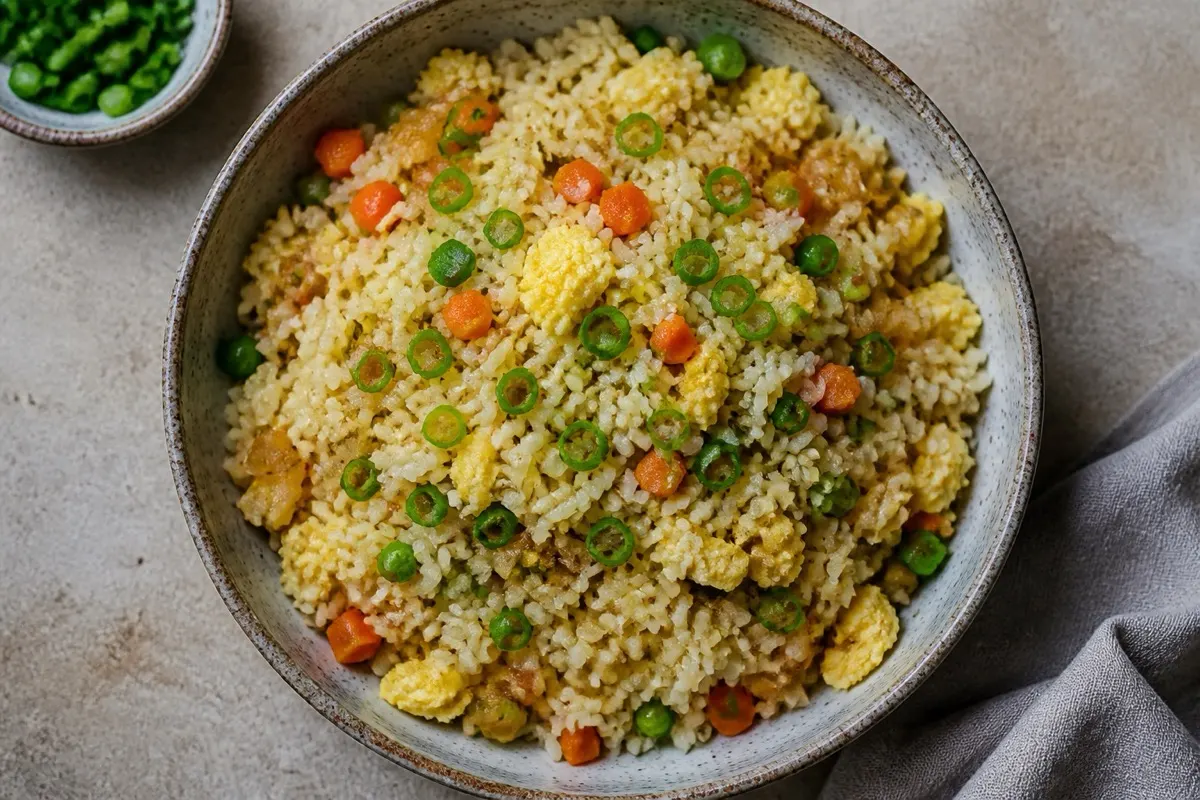
Bites are cubes roasted until crispy on all sides, often tossed in a glaze or sauce at the end. The small size means lots of surface area for browning and the fat renders out almost completely, leaving you with crispy-edged pieces that are rich but not greasy. Serve them as an appetizer with toothpicks, toss them into fried rice, or pile them on nachos where they add a salty, fatty punch.
How do I make pork belly burnt ends?
Cut the belly into large cubes, roast them at moderate heat until the fat starts to render, then toss them in a sticky sauce and return them to high heat until the edges caramelize and char. The cubes get a dark, lacquered crust while staying tender inside. The key is rendering most of the fat before you add the sauce, or the sugar burns before the meat is ready.
What's an easy pork belly recipe?
The easiest method is cutting the belly into thick slices, boiling them for ten minutes, then roasting them on a rack at high heat until browned. Serve them over rice with a fried egg, pickled vegetables, and a drizzle of soy sauce or hot sauce. The boil jump-starts the rendering so the roast is fast, and the simple toppings balance the richness without extra steps.
The dishes behind this
Most people see pork belly and think of bacon, then get stuck because the raw cut looks like a fatty slab with no clear entry point. The confusion is understandable—pork belly is mostly fat with a thin layer of meat running through it, and if you cook it like a lean cut, you end up with something rubbery and unpleasant. But the fat is the point. It is what makes the cut worth cooking, because it renders into flavor and moisture, bastes the meat from the inside, and crisps into texture when you give it the right heat. The question is not whether to cook it, but how to handle the fat so it works for you instead of against you.
The two paths are slow or fast-and-small. Slow roasting or braising gives the fat time to melt and the connective tissue time to break down, which is how you get a whole slab with crackling skin or a braise where the pieces fall apart. Fast cooking only works if you cut the belly into small pieces first—slices, strips, or cubes—so the fat renders before the meat dries out. Trying to pan-fry a whole slab or roast cubes at low heat leaves you in the middle, where the fat stays greasy and the meat turns tough. The cut does not forgive medium effort.
The other thing most people miss is that pork belly needs something sharp or bitter on the plate. A whole serving of rendered fat and tender meat feels rich for three bites, then heavy. Pickles, mustard, vinegar-based sauces, bitter greens, or anything acidic cuts through the fat and resets your palate so you can keep eating. This is why pork belly works in Asian braises with vinegar and soy, in tacos with lime and cabbage, or over rice with a fried egg and hot sauce. The richness is the draw, but the contrast is what makes the dish work.
If you want crackling, the skin needs to be dry, scored, salted, and hit with high heat at the end. If you want burnt ends, the cubes need to render most of their fat before the sauce goes on. If you want something fast, cut it small and use high heat. The cut is forgiving in the sense that it is hard to dry out, but unforgiving in the sense that it only works when you commit to a method that deals with the fat. Halfway measures leave you with something that tastes like it should be good but is not.
Once it is on the plate
Snap what you cooked
Snap your meal — one Coach's Call in seconds.
The AI meal coach that remembers what you ate before — not a calorie tracker.
Try this in FastSnap
Get FastSnap