
Home · What to eat · Order Tandoori Chicken, Dal, or Chana Masala — Skip the Cream Curries
What to eat
what to order at an indian restaurant
Tandoori chicken, dal, and chana masala give you protein and fiber without the heavy cream. Avoid korma and tikka masala if you want to feel good after the meal.
Go for tandoori chicken, dal (lentils), or chana masala (chickpeas). These dishes are built on protein, legumes, and spices rather than cream and oil, so they carry what you need without weighing you down. Skip korma, tikka masala, and anything described as creamy or rich.
Best choices
- 1Tandoori chicken or chicken tikka (dry version, not tikka masala)Marinated and grilled, not swimming in sauce. You get lean protein and the yogurt marinade adds flavor without the cream base that makes other curries heavy.
- 2Dal (any variety — tadka, makhani, or plain)Lentils carry protein and fiber that actually fill you up. Even the buttery versions use far less cream than korma or tikka masala.
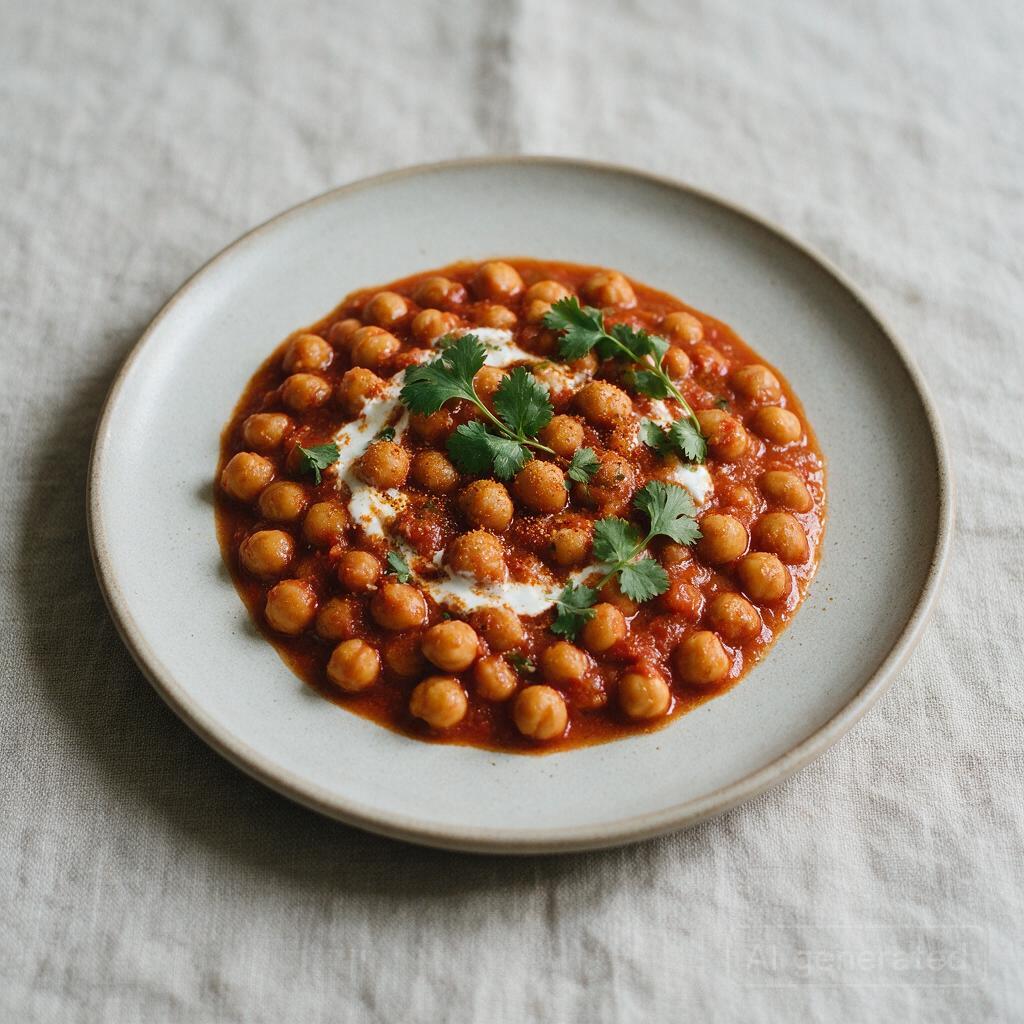 Chana masala or choleChickpeas in a tomato-based sauce. The legumes provide staying power and the sauce is built on tomatoes and spices, not cream.
- 4Saag paneer or palak paneerSpinach-based, so you get greens along with the cheese. The spinach itself adds bulk and nutrients that cream sauces lack entirely.
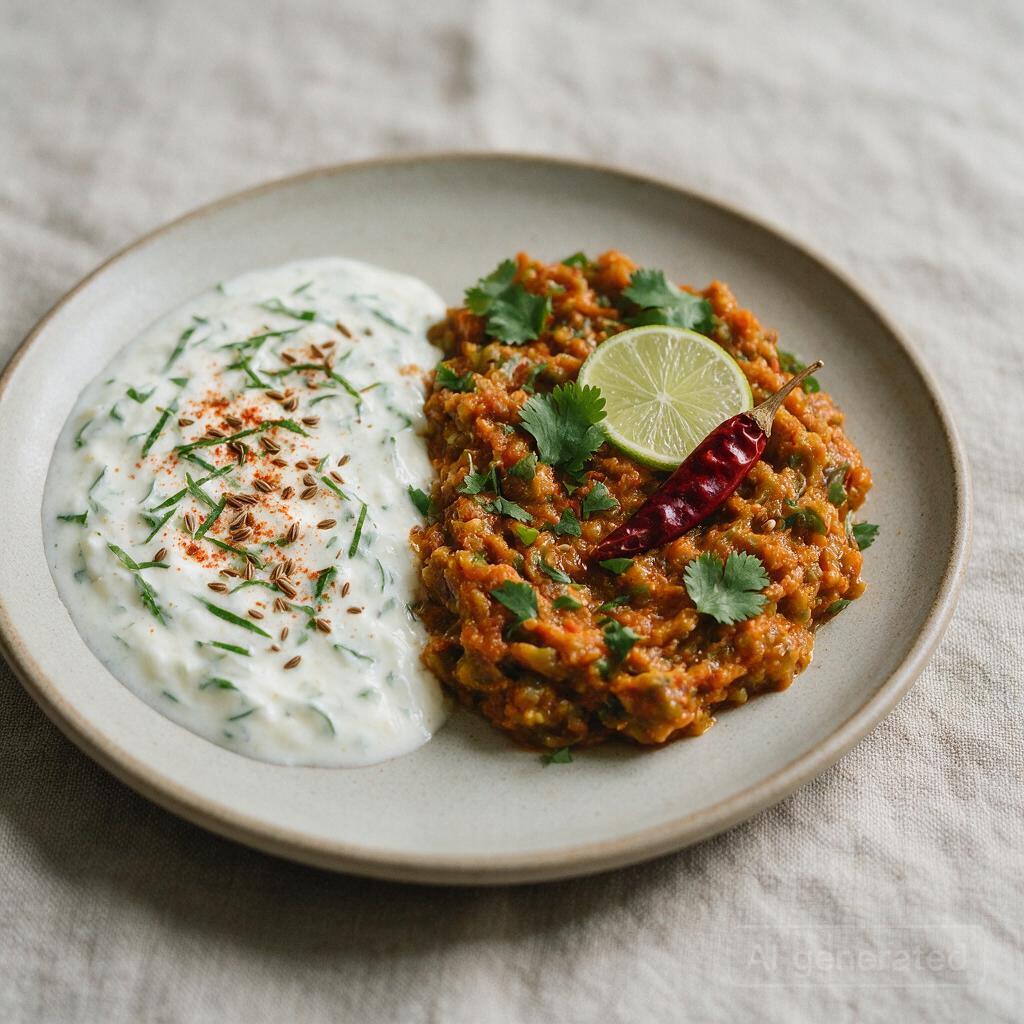 Raita and a vegetable curry like baingan bhartaRaita is yogurt with cucumber — it cools the palate and adds protein. Baingan bharta is roasted eggplant, so it's vegetable-forward rather than sauce-forward.
Watch out for
- Korma, tikka masala, and butter chicken are cream-and-oil vehicles with some protein floating in them. They sit heavy because that's what cream does.
- Naan and paratha are delicious but they're fried or butter-brushed bread. One piece is fine; a whole basket turns the meal into a different thing entirely.
- Samosas and pakoras are fried. If you're getting them, make them the whole appetizer for the table, not a personal starter before your own entree.
- Rice portions at Indian restaurants are usually enormous. Ask for a half order or plan to take half home.
Depending on the day
You want something filling that travels well for lunch the next day
Chana masala or dal with a small portion of rice holds up better than anything with cream, which separates and gets greasy when reheated. The legumes stay intact and the spices actually develop overnight.
Everyone else is ordering heavy curries and you don't want to be the odd one out
Order tandoori mixed grill or a tikka platter. It looks like a feast, you can share it, and you're eating grilled meat and vegetables while they're eating cream. No one notices and you're not explaining yourself.
Also asked
What should I order at an Indian restaurant for the first time?
Start with chicken tikka or tandoori chicken — grilled, straightforward, and not swimming in sauce. Add a dal and some raita. This gives you a clear read on the spices and cooking style without the complexity of a heavy curry. You can always go deeper into the menu next time, but this combination shows you what Indian food actually tastes like rather than what cream and oil taste like.
What can I order at an Indian restaurant that's not spicy?
Ask for korma or tikka masala on the mild side, but know that you're trading heat for cream. A better move: tandoori chicken or malai tikka, which are marinated and grilled with almost no heat. Raita, dal, and plain rice are all naturally mild. Most restaurants will adjust spice levels if you ask when you order, but dishes like vindaloo and madras are built on heat and can't really be tamed.
What's a healthy order at an Indian restaurant?
Tandoori chicken, dal, chana masala, and any vegetable curry that isn't cream-based. These are built on protein, legumes, and vegetables rather than cream and oil. Pair them with a small portion of rice or one piece of naan, not both in full portions. The mistake most people make is thinking all curry is the same — it's not. A chickpea curry and a korma are completely different builds.
What should I order at an Indian restaurant if I don't like spicy food?
Tandoori chicken, malai tikka, and paneer dishes are your safest bets — they're flavorful but not hot. Raita and mango lassi both cool things down if something does have more heat than you expected. Avoid anything with 'vindaloo,' 'madras,' or 'spicy' in the name. When you order, just say you want it mild. Most kitchens are used to the request and will dial it back.
What should a beginner order at an Indian restaurant?
Chicken tikka, dal makhani, and garlic naan. This trio gives you grilled meat, creamy lentils, and bread without throwing you into the deep end of unfamiliar textures or intense heat. It's approachable but still actually Indian food. Once you know you like those, branch out to chana masala, saag paneer, or a biryani. Don't start with vindaloo or anything the menu marks as spicy unless you already know you want that.
Most people walk into an Indian restaurant and either order tikka masala because they've heard of it, or they freeze and point at something random. The problem is that Indian menus are huge and the dishes sound unfamiliar, so it's easy to end up with a plate of cream and oil that sits like a brick. The other common move is to assume that because something is vegetarian or lentil-based, it's automatically lighter, but dal makhani has butter in the name and paneer is cheese. You're not making a bad choice, but you're also not making the choice you think you're making.
The real divide on an Indian menu is not vegetarian versus meat, or spicy versus mild. It's whether the dish is built on a cream or oil base, or whether it's built on tomatoes, legumes, yogurt, and spices. Korma, tikka masala, and butter chicken are cream curries — they're rich because that's the point of them. Chana masala, dal, and tandoori dishes are spice-and-protein-forward. They fill you up because of what they're carrying, not because they're heavy. If you want to feel good after you eat, you want the second kind.
The other thing people get wrong is bread. Naan is delicious, but it's also butter-brushed and enormous, and most tables order multiple kinds. If you're getting naan, get one or two pieces for the table and stop there. Same with rice — the portions are huge, and if you're eating bread and rice and a curry, you've turned the meal into a starch delivery system. Pick one, keep it reasonable, and let the actual food be the main thing on your plate.
Tandoori dishes are your friend. They're marinated, grilled, and served without sauce, so you're eating actual chicken or paneer or vegetables, not a vehicle for cream. If you're new to Indian food or you just want a straightforward meal, this is the move. Pair it with dal or chana masala and you've got protein, fiber, and spices. That's a meal that does something for you.
Other decisions like this
Decide before you order
Snap it before you order
Snap your meal — one Coach's Call in seconds.
The AI meal coach that remembers what you ate before — not a calorie tracker.
Try this in FastSnap
Get FastSnap