
Home · What to eat · Order Beef Tongue, Short Rib, and Vegetables You Grill Yourself
What to eat
what to order at yakiniku
At yakiniku, choose cuts like karubi and tan that cook fast over the grill, plus mushrooms and peppers. Skip heavy sauces and rice bowls early so the meat stays the focus.
Start with beef tongue and short rib—they cook quickly and show you what the restaurant does best. Add mushrooms, peppers, and leafy vegetables to the grill between meat rounds, and save rice or noodles for the end if you're still hungry.
Best choices
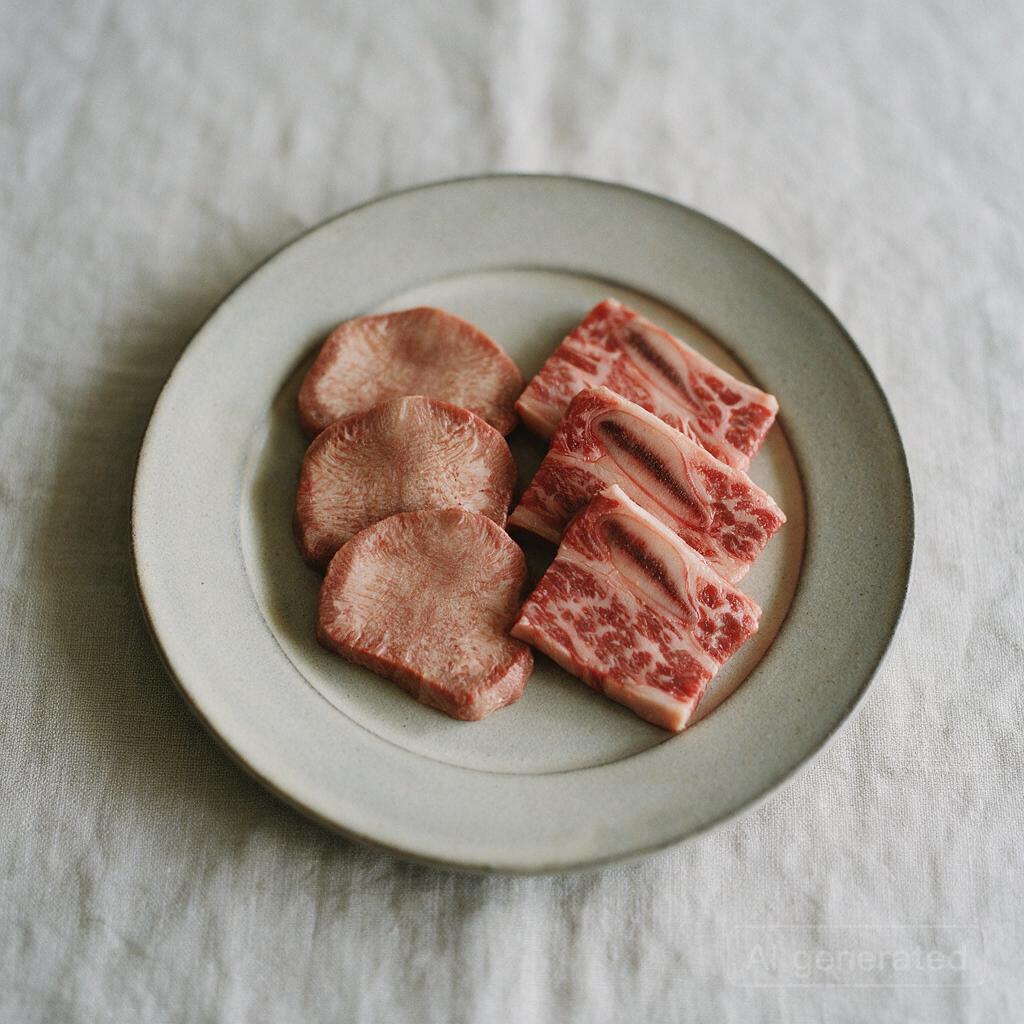 Tan (beef tongue) and karubi (short rib)These are the benchmark cuts at any yakiniku spot—thin enough to cook in seconds, rich enough to carry the meal, and they tell you immediately whether the beef is worth ordering more of
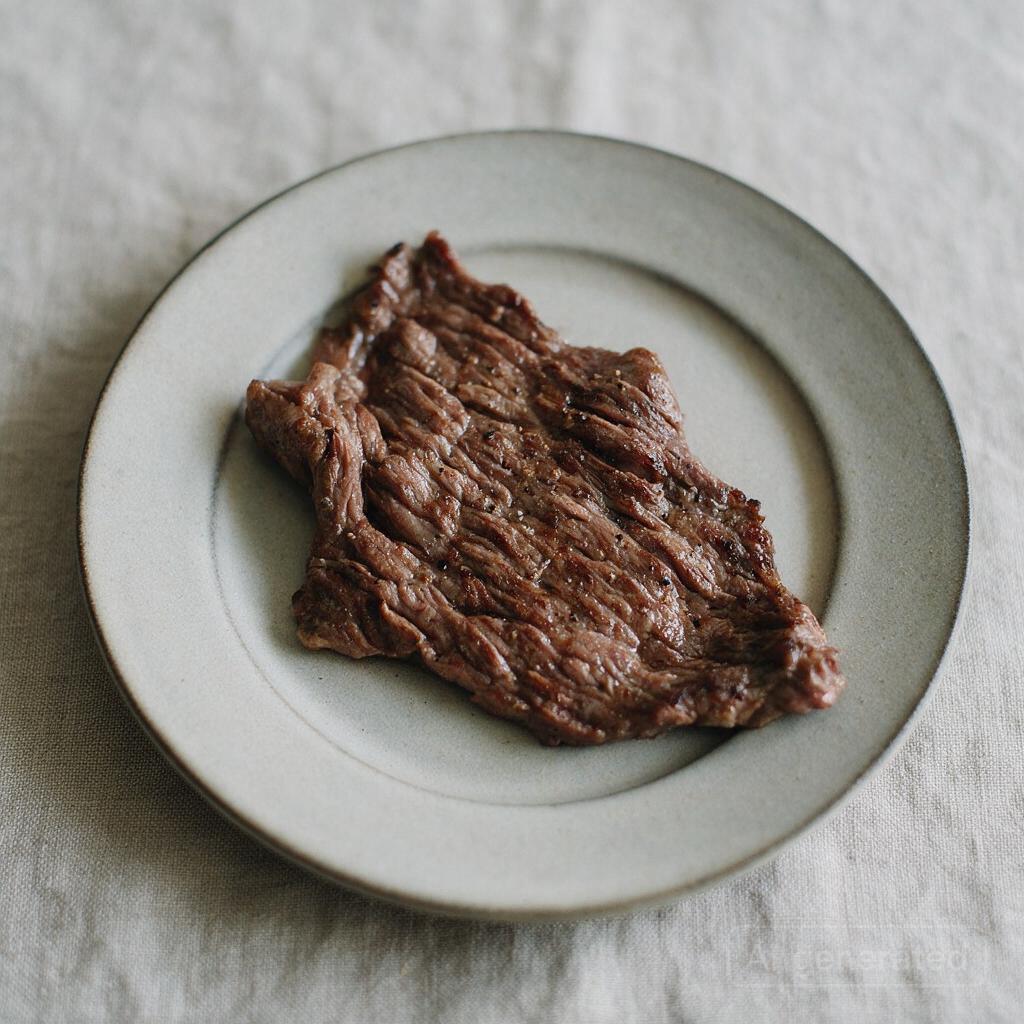 Harami (skirt steak) or outside skirtLeaner than short rib but still beefy, it gives you a second texture without the heavier marbling, and it's usually half the price of premium cuts while being just as satisfying
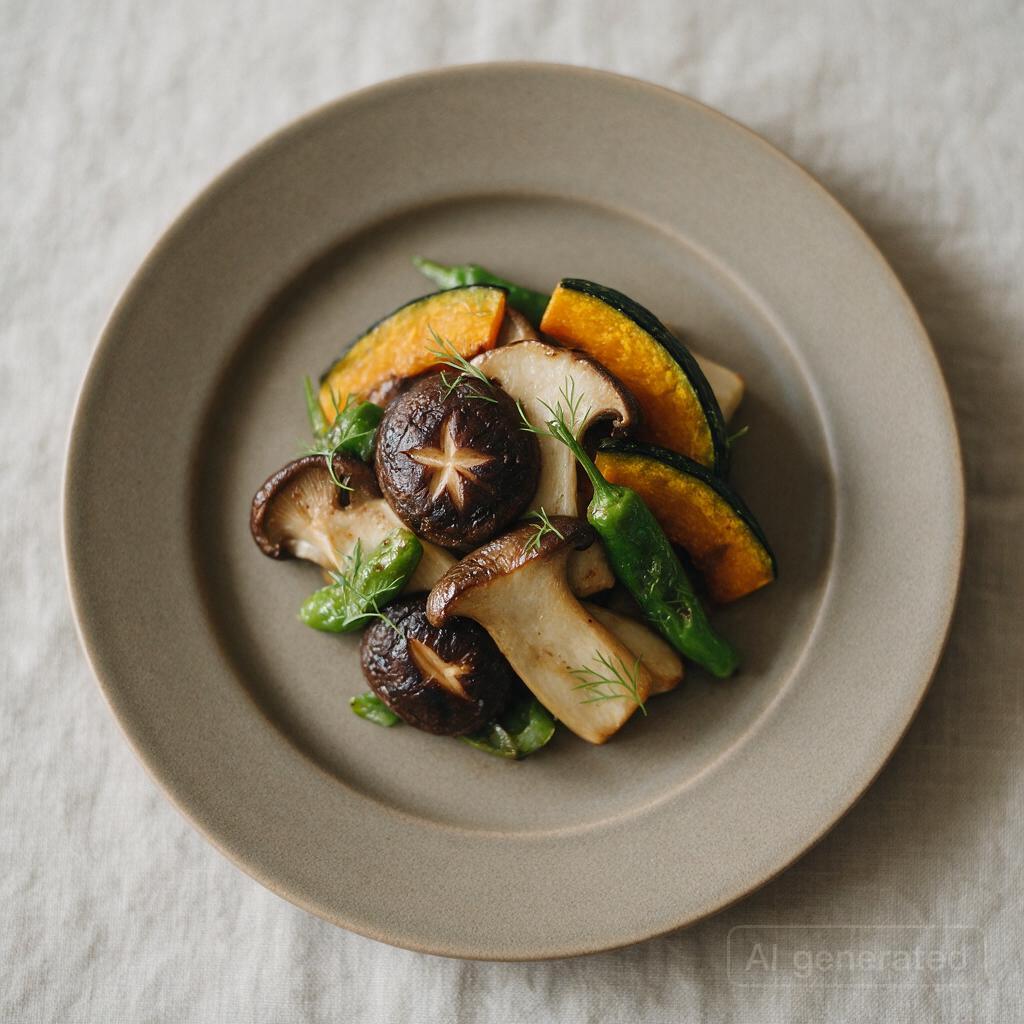 Shiitake, king oyster mushrooms, kabocha, and shishito peppersThey soak up the grill char and meat drippings on the same surface, adding smoke and variety without the density of more meat, and they cook while you're eating the last round
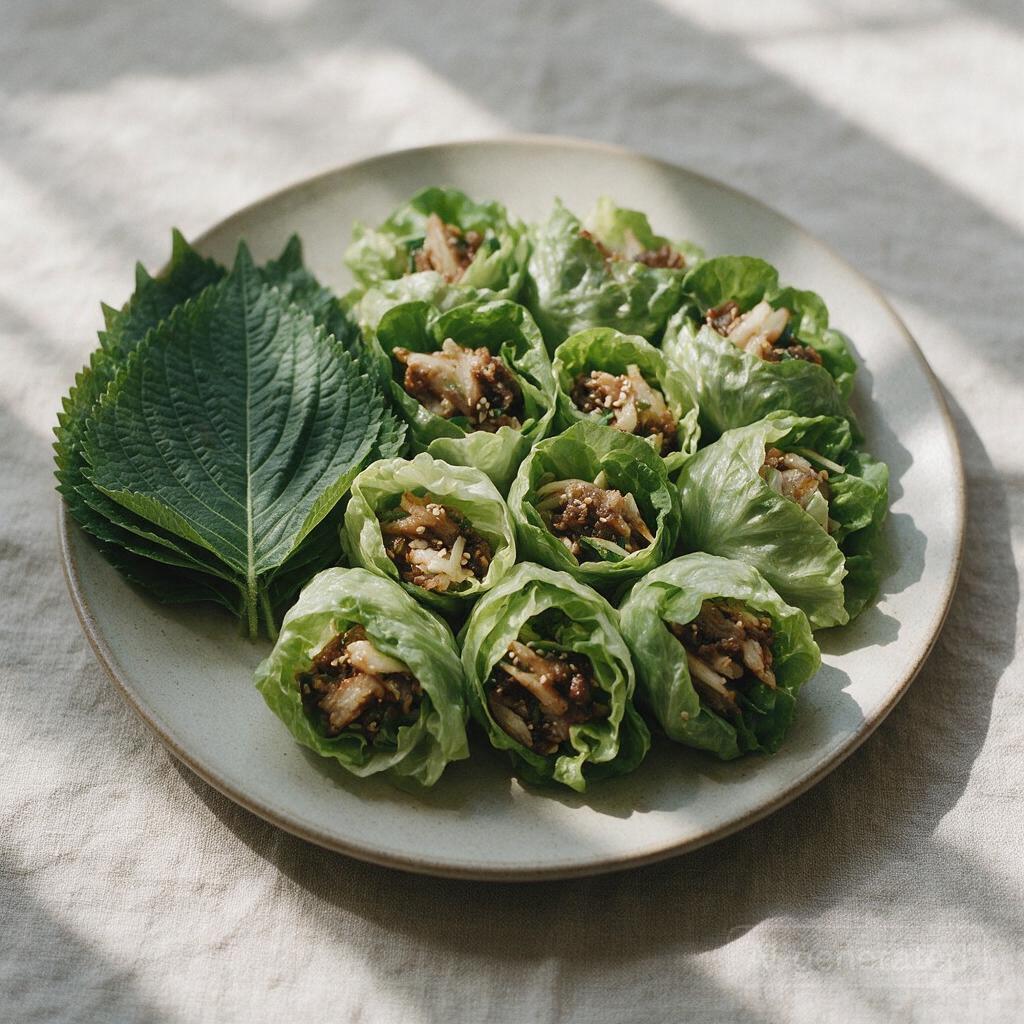 Lettuce wraps or sesame leaf on the tableYou wrap the meat in the leaf with a little garlic or green onion, which cuts the richness and turns each bite into something lighter and sharper instead of a straight parade of beef
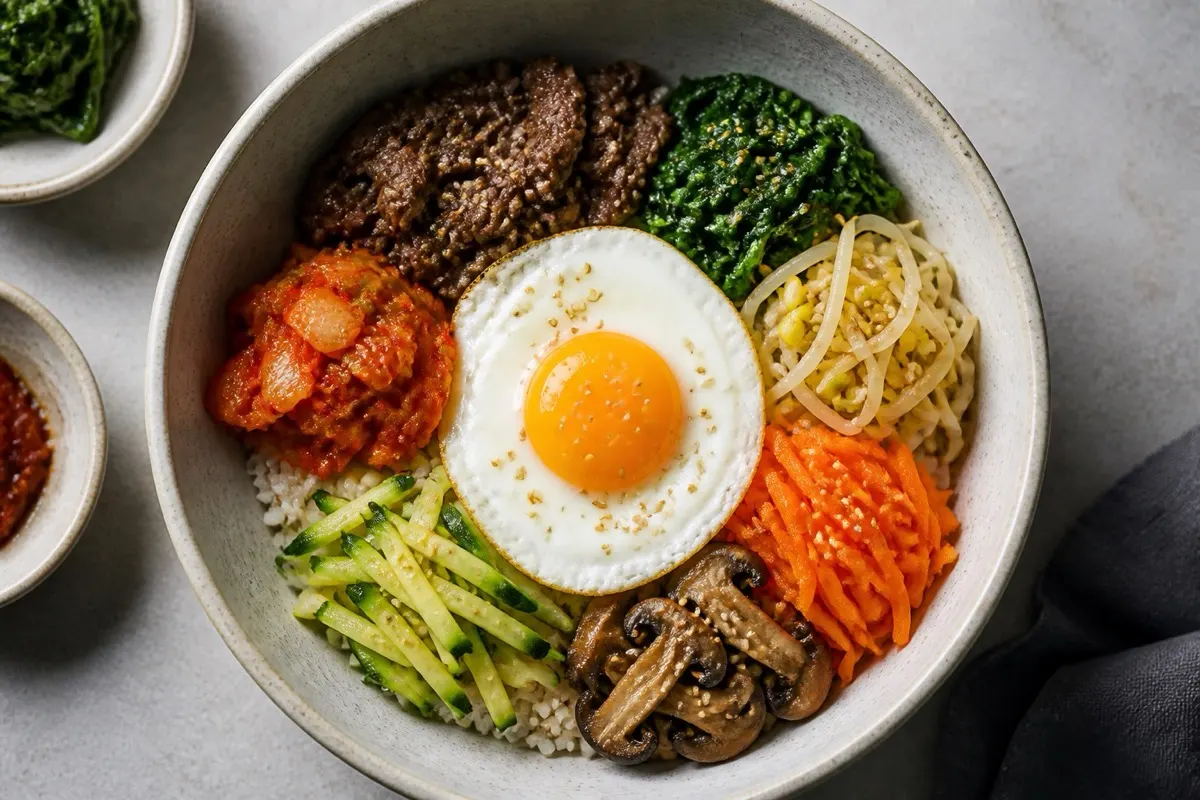 Bibimbap or cold noodles at the very endThey settle the meal after all that char and smoke, and ordering them last means you know exactly how much room you have left instead of filling up early on rice
Watch out for
- Don't order premium wagyu cuts like A5 ribeye in the first round—you won't know if you actually want that much richness until you've tasted the baseline beef, and the marbling can be overwhelming if it's all you eat
- Skip the thick-cut items like whole ribeye blocks early on—they take forever on a small grill, char unevenly, and hold up everything else you're trying to cook
- Avoid heavy tare sauce on every piece—it hides the beef flavor and loads up sweetness fast, so use it sparingly or stick to salt and sesame oil for most cuts
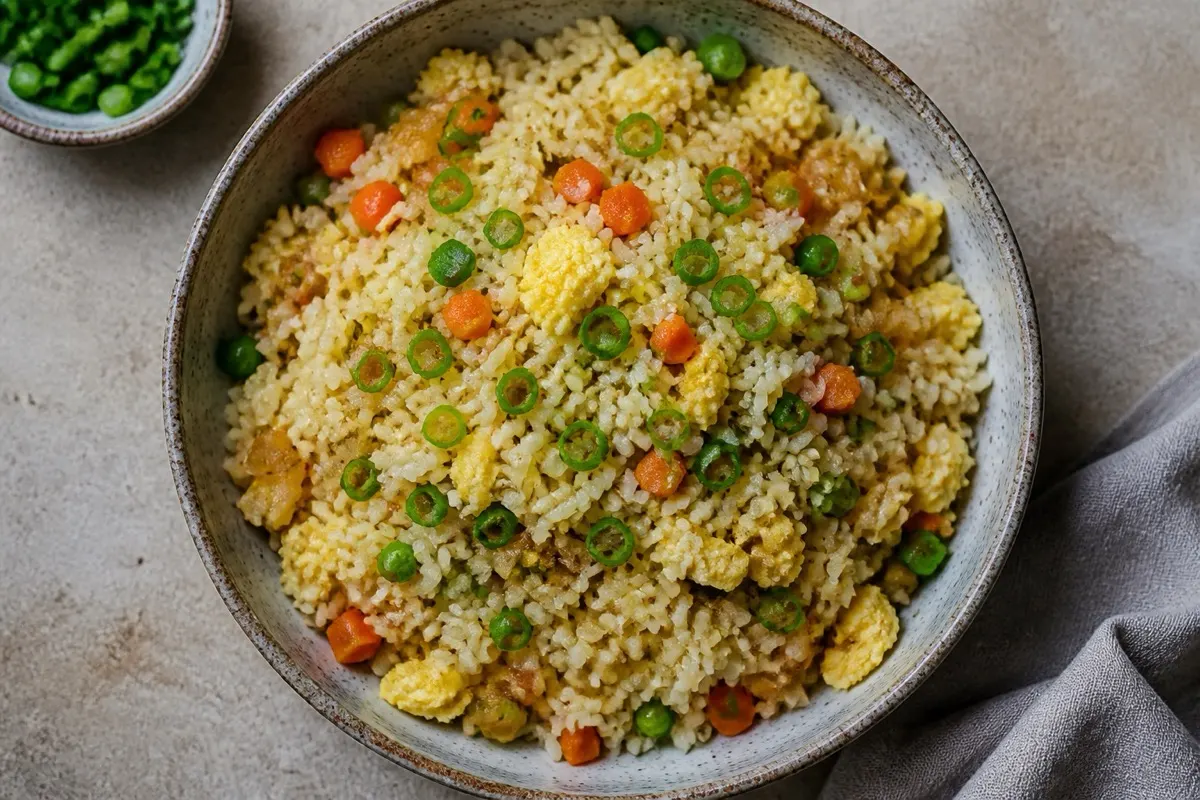
- Don't fill up on rice bowls or fried rice in the middle of the meal—they're dense and starchy, and they kill your appetite for the actual grilling part, which is the reason you're there
Depending on the day
You're going with a group and sharing everything
Order a variety plate with three or four cuts so everyone tries the same thing at once, then add specific cuts based on what people liked. Rotate who's grilling each round so no one gets stuck with tongs the whole meal, and order vegetables every other round so the grill stays busy while people are chewing.
You're eating alone or just want a quick meal
Order a set menu if they offer one—it's pre-portioned for one person and comes out on a single plate, so you're not managing multiple small orders. Stick to two cuts max, add one vegetable, and finish with cold noodles. You'll be done in thirty minutes and won't over-order.
Also asked
What is kuro at yakiniku?
Kuro means black, and it usually refers to kuroge wagyu—Japanese Black beef, the most common wagyu breed. It's a label for premium beef, often showing up as 'kuro karubi' or 'kuro tan,' meaning you're getting a fattier, more marbled version of that cut. It's richer and more expensive than the standard cut, so order it only after you've tried the regular version and know you want the upgrade. The difference is in the marbling and tenderness, not in the flavor itself, which stays beefy and clean.
What does yakiniku taste like compared to other grilled meat?
Yakiniku tastes cleaner and less smoky than American BBQ because you're cooking thin slices fast over high heat, not slow-smoking big cuts. The beef flavor is front and center—you get char on the outside and a tender, barely cooked inside, especially with tongue and short rib. It's richer than Korean BBQ when the cuts are fattier, but the seasoning is lighter—usually just salt, sesame oil, or a quick dip in tare sauce. The smoke comes from the grill and dripping fat, not from wood or a marinade, so every bite tastes like beef first, char second.
The dishes behind this
Most people walk into yakiniku and either order the most expensive wagyu cut on the menu or panic and ask for a sampler platter of everything. The first approach burns through money on marbling you might not even want after three bites, and the second leaves you with a pile of random beef you're grilling blind. The smarter play is to start with the two cuts that every yakiniku spot stakes its reputation on—tongue and short rib—and then branch out based on what your mouth is actually asking for. Yakiniku is not a tasting menu. It's a conversation between you and the grill, and you're adjusting as you go.
The grill in front of you is small, hot, and fast. That means thin cuts win. Tongue and short rib cook in thirty seconds per side, and they're done before they dry out. Thick cuts like whole ribeye or zabuton take five minutes, burn on the outside, stay raw in the middle, and block you from cooking anything else. The best yakiniku rhythm is: grill a round of meat, eat it, throw vegetables on while you're chewing, then start the next round of meat. If you order everything at once, half of it sits there getting cold while you're stuck managing the grill like a line cook. Order two or three things, see how you feel, then order again.
The other mistake is treating yakiniku like a rice bowl dinner. Rice, fried rice, and bibimbap are all delicious, but they're dense and filling, and if you eat them early, you're done. You'll sit there watching your friends grill while you're too full to keep up. Save the starches for the end, when you've had your fill of beef and want something to close it out. The meal should be about the meat and the grill, not about loading up on carbs in the first fifteen minutes.
Vegetables are not a side thought here. They cook on the same grill, pick up the beef drippings and char, and they give your palate a break between rich cuts. Mushrooms, peppers, and squash all take on smoke and umami without adding more fat to the meal. They also buy you time—you can throw them on, keep talking, and not feel like you have to shove more beef in your mouth just because the grill is hot. Yakiniku is as much about pacing as it is about beef, and vegetables are what let you stay at the table longer without feeling like you're forcing it.
Other decisions like this
Decide before you order
Snap it before you order
Snap your meal — one Coach's Call in seconds.
The AI meal coach that remembers what you ate before — not a calorie tracker.
Try this in FastSnap
Get FastSnap