
Home · What to eat · Turn What You Have Into a Meal — No Shopping Needed
What to eat
what can i make with these ingredients
Look at what's in the fridge right now. How to turn those ingredients into something you'll actually want to eat, without a trip to the shop.
Start with your protein or main ingredient, then build around it with what adds flavour and substance. If you have pasta, rice, or bread, you've got the base. If you have eggs, cheese, or tinned beans, you've got the centre. Everything else — vegetables, herbs, sauces, spices — fills in the gaps and makes it taste like a decision instead of desperation.
Best choices
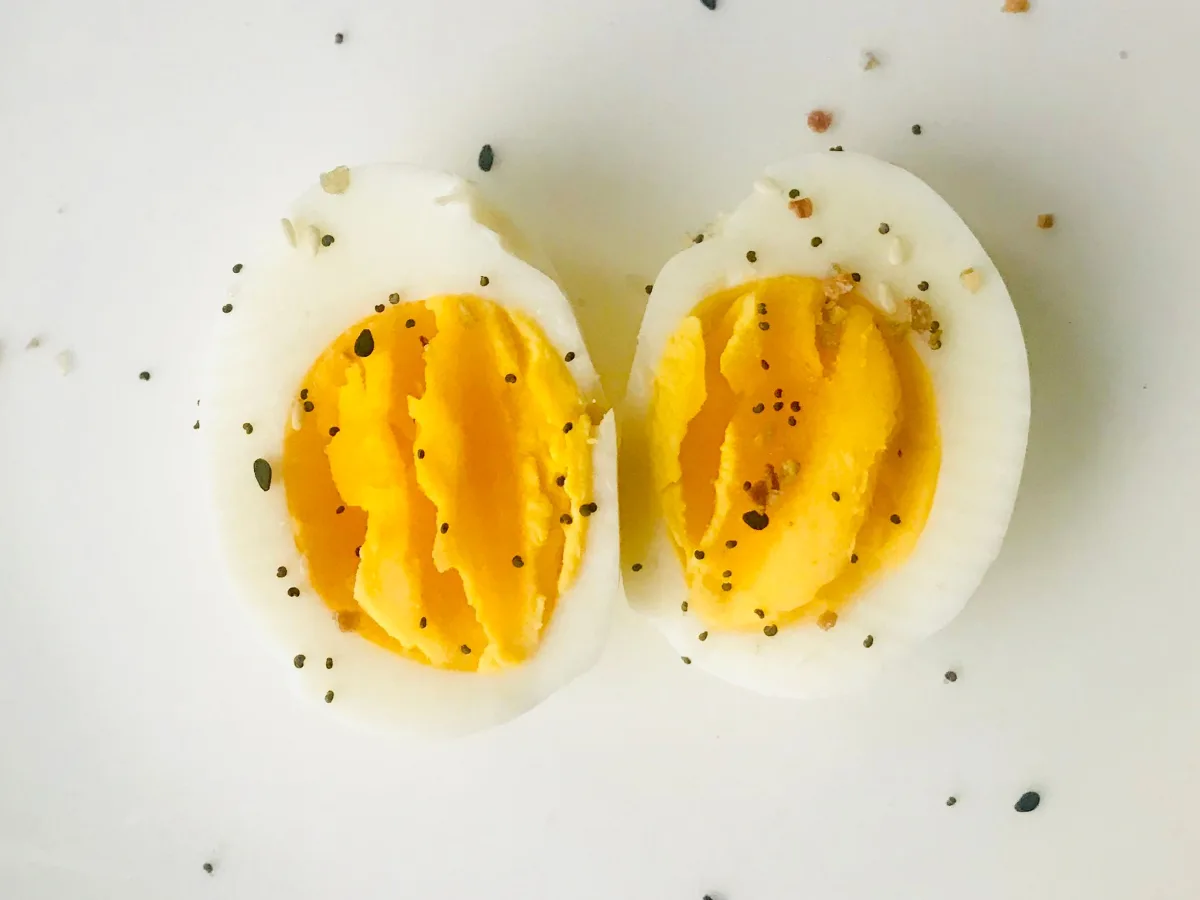 Eggs scrambled with whatever vegetables need using, served on toast or with riceEggs cook in minutes and carry almost anything — wilting spinach, half a pepper, mushrooms, tomatoes. The vegetables add volume and variety without needing a recipe, and the bread or rice makes it filling enough to last.
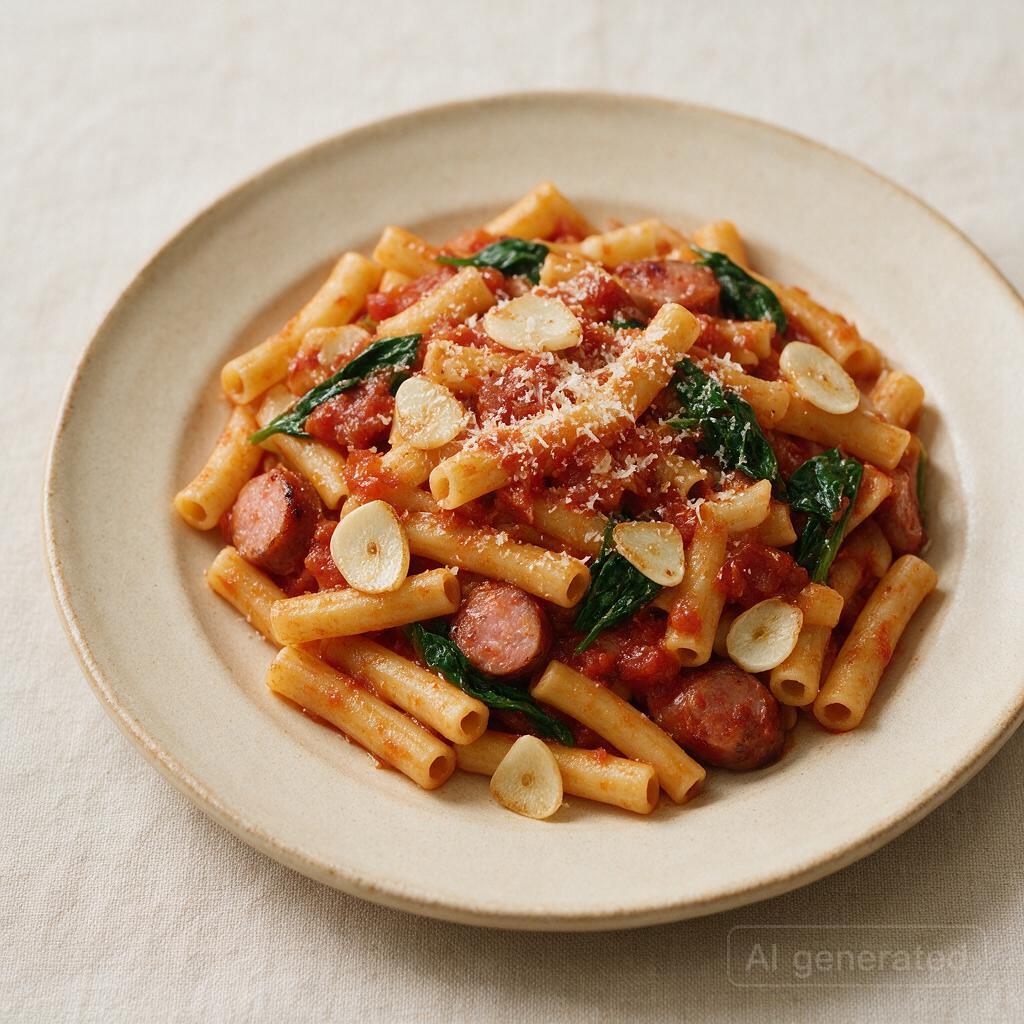 Pasta with tinned tomatoes, garlic, and any protein or vegetables you have openTinned tomatoes become a sauce with nothing but heat and time. Toss in chickpeas, tuna, frozen peas, or leftover chicken, and you've got a complete plate. The pasta stretches everything further and soaks up the flavour.
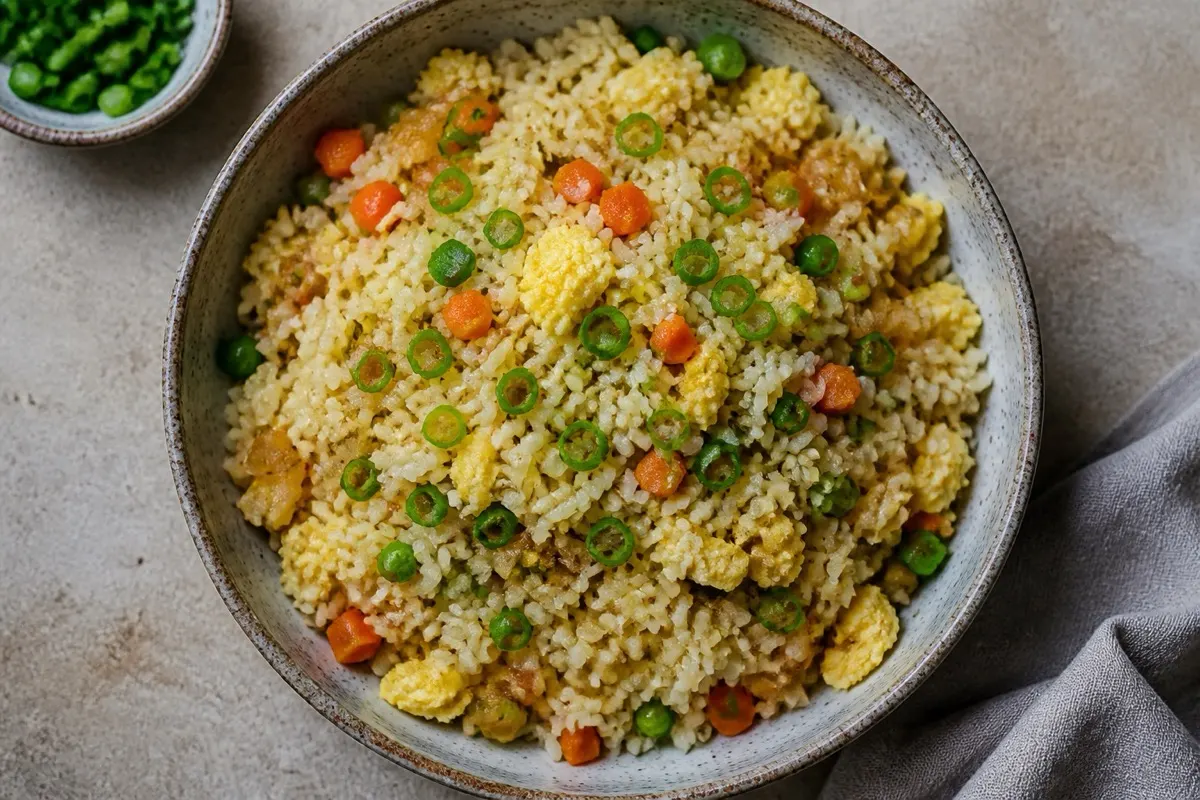 Fried rice made from leftover rice, an egg, and whatever needs finishing — frozen veg, ham, spring onionsDay-old rice fries better than fresh because it's drier. The egg binds it together, and the bits and pieces you throw in — soy sauce, sesame oil, sriracha — make it taste intentional. It clears the fridge and feels like a proper meal.
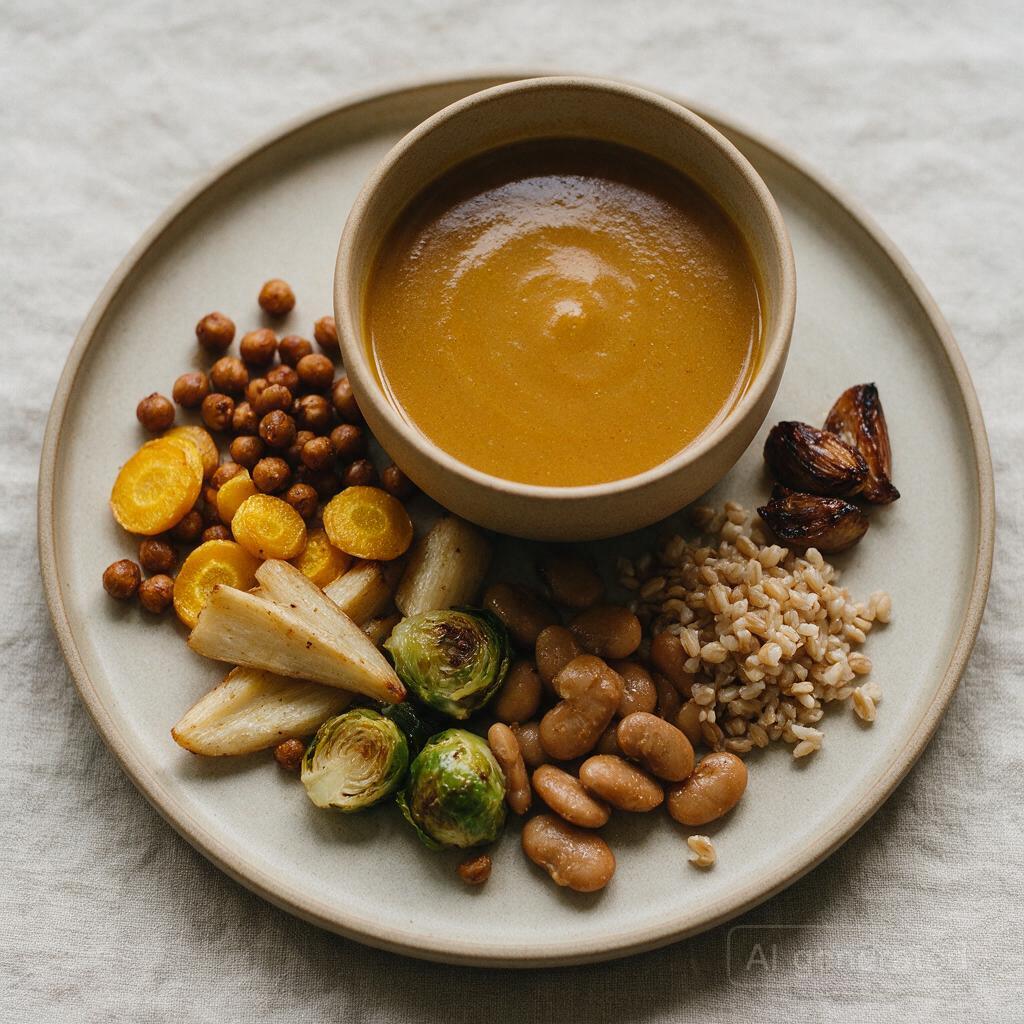 Soup from stock or a cube, plus any vegetables, beans, or grains sitting aroundSoup is forgiving. Chop what you have, simmer it in stock, and it becomes something cohesive. Add pasta, rice, or lentils to make it substantial. It uses up the random half-carrot, the lonely potato, the tin of beans you forgot about.
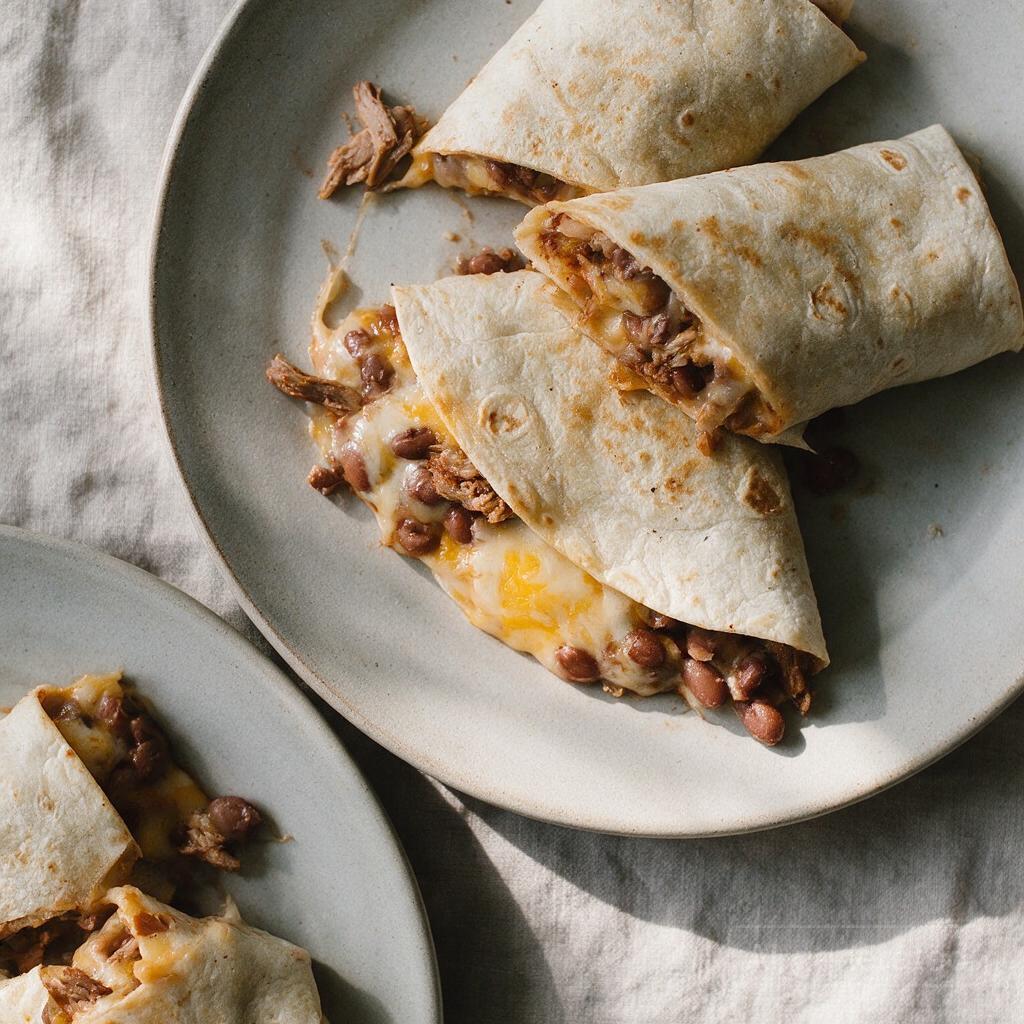 Quesadillas or wraps with cheese, beans, or leftover meat, plus any salsa, veg, or sauceTortillas hold together almost anything. Cheese melts and binds, beans add heft, and the wrap makes it handheld and quick. You can throw in leftover roast chicken, sautéed peppers, or just cheese and hot sauce, and it works.
Watch out for
- Don't try to follow a recipe when you're working with what you have — you'll get stuck on the one ingredient you're missing and give up. Build around what's there instead.
- Check dates on dairy and meat first, and use those before they turn. Vegetables can look sad and still cook fine. Tins and dried goods last forever.
- If you're missing a key flavour — salt, acid, fat, heat — the dish will taste flat. A squeeze of lemon, a splash of soy sauce, a knob of butter, or a pinch of chilli makes the difference between edible and actually good.
- Don't overthink it. The goal is to eat something satisfying, not to impress anyone. If it's warm, has some variety, and fills you up, you've won.
Depending on the day
You have almost nothing — just a few random items
Focus on one anchor ingredient and make it the whole point. Toast with butter and jam. Rice with soy sauce and a fried egg. Pasta with olive oil, garlic, and chilli flakes. A tin of beans heated with spices and eaten with bread. These aren't elaborate, but they're real meals that take five minutes and don't require a full shop.
You have lots of ingredients but they don't seem to go together
Think in categories, not recipes. You need something filling (pasta, rice, bread, potatoes), something with flavour (onions, garlic, ginger, sauces, spices), and ideally something with substance (eggs, cheese, beans, meat, tofu). Combine one from each category, and you'll land on something that works. Stir-fries, grain bowls, and frittatas are your friends here because they absorb mismatched ingredients without complaint.
Also asked
Is there an app that tells you what to make with your ingredients?
Yes, several apps let you enter what you have and suggest recipes. Supercook, MyFridgeFood, and Cooklist are free and work by matching your ingredients to their database. They're useful when you want ideas, but they can't account for how much of each ingredient you have or whether you actually want to follow a recipe right now. Sometimes it's faster to just look at what you have and build something simple around it.
What can I make with these ingredients in the UK?
The same principles apply wherever you are, but UK kitchens often have baked beans, Marmite, HP sauce, and strong tea as staples. Beans on toast is a legitimate meal. Cheese on toast with Worcestershire sauce or Marmite is another. If you have potatoes, eggs, and butter, you can make a decent tortilla or hash. Leftover roast anything becomes a sandwich or gets tossed into a stir-fry. The British approach to using what's in is practical, not precious.
Is there a website that shows you recipes based on your ingredients?
Yes, websites like Supercook, MyFridgeFood, and RecipeLand let you input ingredients and filter recipes. They work best when you have a decent range of items and want structured ideas. The limitation is that they assume you want to cook a recipe, when sometimes you just want to throw things together and eat. If you're after speed and simplicity, a website might overcomplicate it. Trust your instincts and combine what you have in a way that makes sense to you.
Can AI tell me what to cook with my ingredients?
Yes, AI tools like ChatGPT or Google's Bard can take a list of your ingredients and suggest meals. They're flexible and can adjust for dietary preferences, skill level, or time. The advantage is that they respond to your specific situation, not a generic database. The downside is that they might suggest something that sounds good but doesn't match how you actually cook or what you're in the mood for. Use them for ideas, not instructions you have to follow exactly.
What cocktails can I make with the ingredients I have?
Start with your base spirit — vodka, gin, rum, whiskey, tequila — and see what mixers or flavours you have around it. Citrus juice, tonic, soda, ginger beer, and simple syrup are the most useful. A gin and tonic needs just two ingredients. A vodka soda with lime is three. If you have bitters, vermouth, or liqueurs, you can build classics like an Old Fashioned, Martini, or Margarita. Most cocktails are just a spirit, something sour, something sweet, and something to lengthen or dilute it. Match what you have to that structure and you'll land on something drinkable.
The dishes behind this
Most people approach this question backwards. They look at what they have, feel overwhelmed by the lack of a clear recipe, and convince themselves they need to go shopping. But cooking from what's already there isn't about following instructions — it's about recognizing patterns. Every meal is built from the same few elements: something filling, something flavourful, something with substance. Once you see that structure, the random contents of your fridge start to make sense.
The mistake is waiting for inspiration or a perfect combination. You don't need a recipe. You need a method. If you have pasta, you can make a dozen different dishes depending on what else is around. Tinned tomatoes and garlic become a sauce. Butter and cheese become another. An egg and some bacon become carbonara. The pasta is the constant. Everything else is variable. The same logic applies to rice, bread, potatoes, or any other base. Start there, then add what you have.
The other thing people get wrong is thinking leftovers and half-used ingredients are a problem. They're not. They're the beginning of the next meal. Leftover roast chicken becomes fried rice, soup, or a sandwich. Half a tin of chickpeas goes into a salad, a curry, or gets mashed onto toast. Wilting vegetables get thrown into a stir-fry or an omelette. The fridge isn't a collection of random items. It's a set of possibilities waiting to be combined.
What makes this work is understanding what each ingredient contributes. Onions and garlic add flavour. Eggs and cheese add richness and substance. Tinned tomatoes, stock, and soy sauce add depth. Bread, pasta, rice, and potatoes add bulk and make the meal filling. Vegetables add variety and freshness. Once you know what each thing does, you stop needing a recipe to tell you how to combine them. You just look at what you have, decide what role each ingredient will play, and put them together in a way that makes sense. That's not cooking from a recipe. That's cooking.
Other decisions like this
Once it is on the plate
Snap what you cooked
Snap your meal — one Coach's Call in seconds.
The AI meal coach that remembers what you ate before — not a calorie tracker.
Try this in FastSnap
Get FastSnap