
Home · What to eat · Order Steamed Dishes, Stir-Fries with Vegetables, and Skip the Sweet Sauces
What to eat
what to order at a chinese restaurant
What to order at a Chinese restaurant: steamed fish or chicken, vegetable stir-fries, hot and sour soup, and dishes with ginger or garlic instead of sweet glazes.
Go for steamed fish or chicken, vegetable-heavy stir-fries, and hot and sour soup. Skip anything with sweet sauce, deep-fried coating, or the word 'crispy' in the name—those carry oil and sugar that sit heavy.
Best choices
- 1Steamed fish with ginger and scallionsThe fish carries protein without batter or oil, and ginger adds flavor without sugar or starch thickening the sauce
- 2Moo goo gai pan or chicken with mixed vegetablesThe vegetables fill the plate and the light sauce uses cornstarch sparingly, so you're eating mostly chicken and greens
- 3Hot and sour soupVinegar and pepper carry the flavor instead of cream or noodles, and tofu and mushrooms make it filling without weighing you down
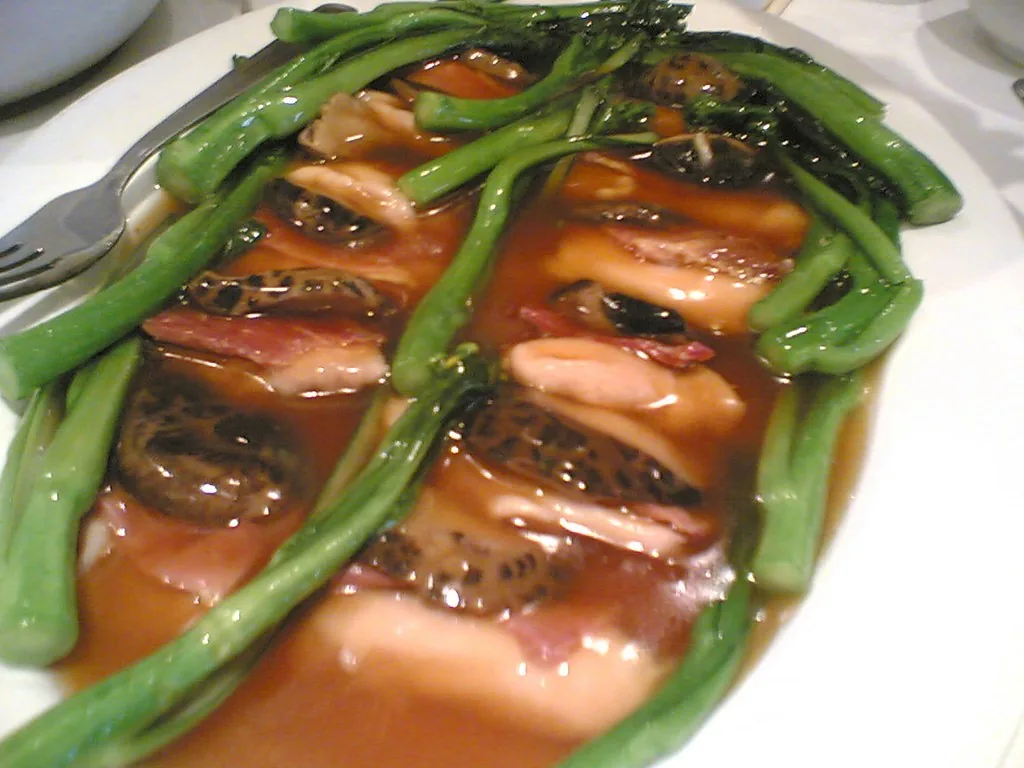 Stir-fried greens with garlic (gai lan, bok choy, or Chinese broccoli)Cooked fast in minimal oil, these give you volume and fiber without sauce or starch
- 5Shrimp with lobster sauce or snow peasShrimp cooks quickly so it stays lean, and the sauce is egg-based or light rather than sweetened or thickened heavily
Watch out for
- General Tso's, orange chicken, and sesame chicken are deep-fried then coated in sugar-heavy sauce—they're dessert disguised as dinner
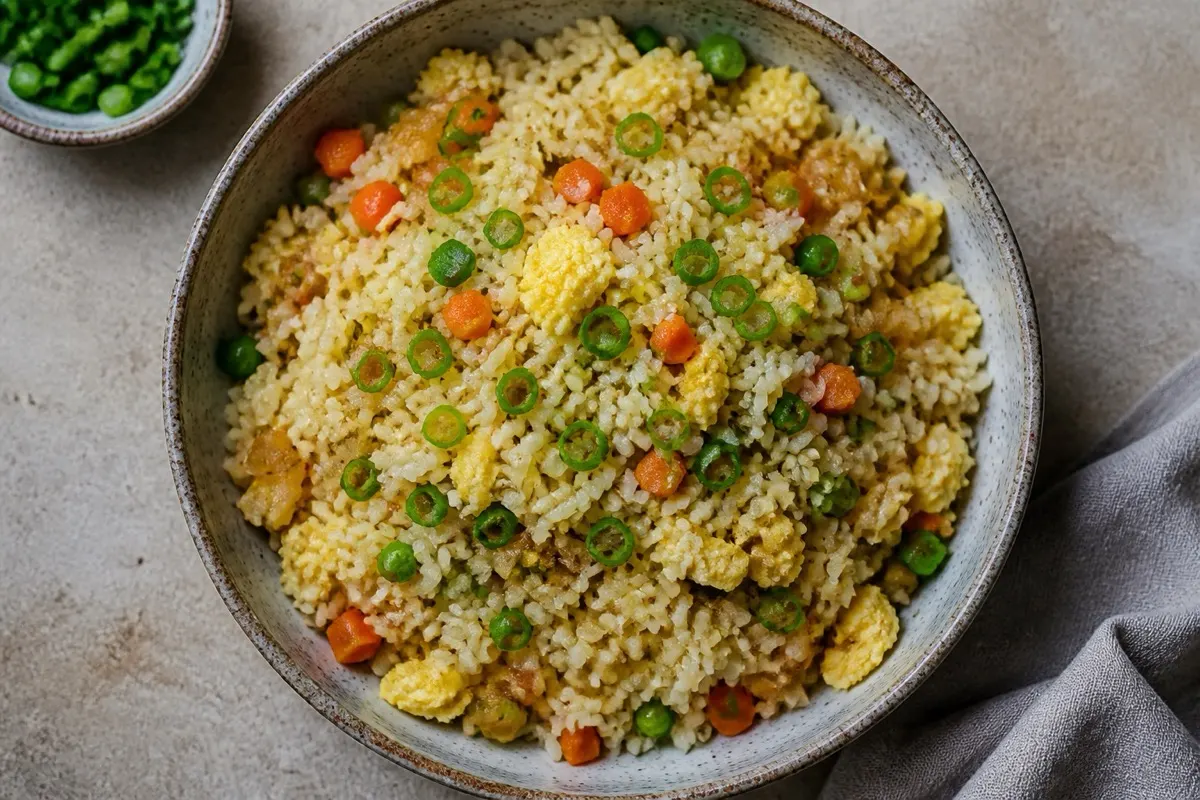
- Fried rice carries oil in every grain and usually very little vegetable or protein by volume
- Egg rolls and spring rolls are mostly wrapper, fried, and the filling is often cabbage with a little meat
- Sweet and sour anything means the sauce is primarily sugar with cornstarch, turning the dish into candy
Depending on the day
You want something filling and the table is sharing
Order one steamed dish and one stir-fry with vegetables, then fill your plate with more of those than the fried rice or noodles. Let others finish the crispy dishes and you'll leave satisfied without the oil sitting in your stomach.
The menu has a 'diet' or 'steamed' section
Those dishes use almost no oil and the sauces come on the side, so you control how much goes on. They sound plain but ginger, garlic, and scallions carry plenty of flavor without sugar.
Also asked
What's a lighter choice at a Chinese restaurant?
Steamed dishes and stir-fries with vegetables stay light because they skip the batter and use minimal oil. Hot and sour soup, steamed dumplings (not fried), and anything with ginger or garlic instead of sweet sauce will leave you satisfied without feeling heavy. The key is avoiding anything described as crispy, glazed, or sweet and sour—those carry oil and sugar that add up fast.
What can I order at a Chinese restaurant if I'm watching what I eat carefully?
Stick to steamed fish or chicken, stir-fried vegetables, and clear soups like hot and sour or egg drop. These dishes rely on protein and vegetables for substance rather than batter, oil, or sugary sauces. Ask for sauce on the side when possible, and fill your plate with the steamed or stir-fried options before touching fried rice or noodles. Skip anything fried or in a thick, shiny sauce.
What Chinese food can I order without wheat?
Steamed fish, shrimp with vegetables, and stir-fried greens are naturally wheat-free, but ask about the soy sauce—most contains wheat. Many restaurants now carry tamari or wheat-free soy sauce if you request it. Skip dumplings, egg rolls, and anything with a crispy coating, as those use wheat wrappers or batter. Hot and sour soup is usually thickened with cornstarch, not wheat, but confirm with the kitchen.
Does Chinese takeaway reheat well or should I eat it right away?
Steamed and stir-fried dishes reheat better than anything fried, which goes soggy in the container. If you're getting takeaway for later, order steamed chicken or fish and stir-fries, and reheat them in a pan or oven rather than the microwave to keep some texture. Fried rice actually improves the next day when you crisp it up in a hot pan. Skip crispy dishes for takeaway—they'll be limp and greasy by the time you eat them.
What's actually traditional to order at a Chinese restaurant?
Most American Chinese menus aren't traditional—they're adaptations. If you want closer to traditional, look for steamed whole fish, clay pot dishes, congee, stir-fried greens with garlic, and mapo tofu. Traditional meals balance textures and flavors across several dishes rather than centering one heavy plate. General Tso's, crab rangoon, and fortune cookies were invented in America. If the restaurant has a separate Chinese-language menu or a regional specialty section, that's where you'll find traditional preparations.
The dishes behind this
Most people walk into a Chinese restaurant and order the same fried, sugar-glazed dishes they've always ordered, then wonder why they feel terrible an hour later. The problem isn't Chinese food—it's that American Chinese menus are built around what sold in the nineteen-seventies, which was deep-fried meat in candy sauce. The actual food is still there, but you have to know what carries flavor without carrying oil and sugar.
The dividing line is simple: steamed and stir-fried dishes use heat and seasoning to build flavor, while fried and glazed dishes use oil and sugar. A stir-fry cooks vegetables and protein fast in a hot wok with minimal oil, so you taste ginger, garlic, and the vegetables themselves. A glazed dish coats fried meat in a sauce that's mostly sugar thickened with cornstarch. One leaves you satisfied, the other leaves you sluggish and thirsty.
The menu will try to hide this. 'Crispy' means battered and fried. 'Orange,' 'sesame,' and 'General Tso's' mean sugar sauce. 'Sweet and sour' is sugar with vinegar to cut it. These aren't meals—they're fried meat with dessert poured over it. If you want to feel normal after eating, order things that say steamed, stir-fried, or ginger-garlic, and skip anything that sounds like candy.
The other mistake is thinking fried rice or lo mein is a neutral base. It's not. Fried rice is oil with rice in it, and lo mein is noodles tossed in oil and sauce. If you want something starchy, ask for steamed rice and use it to stretch the vegetables and protein. Better yet, skip the starch entirely and double the stir-fried greens. You'll leave full, not stuffed, and you won't spend the rest of the night regretting it.
Other decisions like this
Decide before you order
Snap it before you order
Snap your meal — one Coach's Call in seconds.
The AI meal coach that remembers what you ate before — not a calorie tracker.
Try this in FastSnap
Get FastSnap